Our Products
Latest
Name (A-Z)
Name (Z-A)
Showing 1-8 of 8 products

Spices
Spices, derived from various plant parts like seeds and roots, are essential for flavoring and preserving food across global cuisines. Examples include turmeric, cumin, and cardamom. Beyond culinary uses, many spices offer health benefits; turmeric is known for its anti-inflammatory properties, while cumin supports digestion. Available in whole or ground forms, spices are also valued for their antioxidant content and traditional medicinal applications.
Price on Request
1 KG
MOQ
Basmati Rice
Basmati rice is a long-grain, aromatic rice variety from the Indian subcontinent, celebrated for its fragrance and fluffy texture. Ideal for dishes like biryani and pilaf, it offers a unique flavor that enhances various cuisines. The grains remain separate after cooking, providing a delightful eating experience. With a lower glycemic index, basmati rice is also a healthier choice for individuals mindful of their blood sugar levels.
Price on Request
1 KG
MOQ
Non-Basmati Rice
Non-basmati rice includes various rice varieties differing in grain size, texture, and flavor, suitable for a range of dishes like fried rice and risotto. These rice types are commonly used in daily meals due to their versatility and affordability. Depending on the variety, the grains can be short to long and may have a sticky or fluffy texture upon cooking. Non-basmati rice serves as a good energy source, being rich in carbohydrates.
Price on Request
1 KG
MOQ
Wheat Flour
Wheat flour, derived from grinding wheat, is essential in baking bread, pastries, and cakes due to its gluten content, which provides elasticity and structure to dough. Available in types like all-purpose, whole wheat, and bread flour, it caters to various baking requirements. Whole wheat flour offers more nutrients and fiber, promoting better health. Beyond baking, wheat flour is utilized in making pasta, noodles, and confectionery products.
Price on Request
1 KG
MOQ
Maize
Maize, or corn, is a globally significant cereal grain originating from southern Mexico, serving as a staple food in many regions. Consumed in forms like whole kernels, cornmeal, and flour, it is integral to dishes such as tortillas and cornbread. Maize is also processed into products like corn syrup and oil and is a primary livestock feed. Nutritionally, it offers carbohydrates, fiber, vitamins, and minerals, contributing to a balanced diet. Beyond food, maize plays a role in producing biofuel and biodegradable plastics.
Price on Request
1 KG
MOQ
Pulses
Pulses, including lentils, chickpeas, beans, and peas, are nutrient-dense seeds from leguminous plants, offering high protein, fiber, vitamins, and minerals. They are integral to various cuisines, featured in soups, stews, salads, and curries. Being gluten-free, pulses cater to those with gluten sensitivities. Their low glycemic index aids in blood sugar management. Environmentally, pulse cultivation benefits soil health and has a minimal carbon footprint, promoting sustainable agriculture.
Price on Request
1 KG
MOQ
Dry Fruits
Dry fruits, such as almonds and raisins, are dehydrated fruits offering concentrated nutrients and energy. Commonly enjoyed as snacks or added to dishes, they enhance flavor and texture. Their extended shelf life and portability make them convenient for on-the-go consumption. Rich in antioxidants, dry fruits contribute to heart health and aid digestion.
Price on Request
1 KG
MOQ
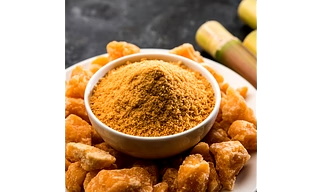
Jaggery Powder
Our high-quality Jaggery Powder offers a natural alternative sweetener packed with health benefits. Perfect for adding a touch of sweetness to your culinary creations.
Features
Features
- 100% pure and natural jaggery powder
- Rich in minerals and antioxidants
- Excellent natural sweetener
- Versatile ingredient for cooking and baking
- Sourced from reputable suppliers for premium quality
Price on Request
1 Kilogram
MOQ
 GL Trustmark