

 FIEO Registered
Our Products
Showing 1-24 of 32 products

Maize
Cereals
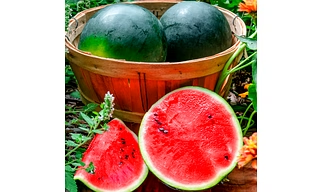
Watermelon
Description:
- Watermelons are large, juicy fruits with a thick, green rind and sweet, refreshing flesh. They are typically oblong or spherical in shape and are known for their vibrant red or pink interior flesh, although some varieties may have yellow or orange flesh. Watermelons have a high water content, making them exceptionally hydrating and perfect for summertime consumption.
- They belong to the Cucurbitaceae family and are widely enjoyed around the world for their delicious taste and thirst-quenching properties.
- Size: Export-quality watermelons are typically medium to large in size, with weights ranging from 5 kilograms to 10 kilograms or more. They should have a uniform size and shape, free from deformities or irregularities.
- Shape: Watermelons should have a symmetrical shape with smooth, even contours. They should not be misshapen or have uneven bulges, as this may affect the appearance and quality of the fruit.
- Rind Color: The rind of export-quality watermelons should have a deep, uniform green color with minimal blemishes, scratches, or discoloration. It should be firm and free from soft spots or bruises.
- Flesh Color: The flesh of watermelons should be a vibrant shade of red, pink, yellow, or orange, depending on the variety. It should be uniformly colored throughout and free from any white streaks or discoloration.
- Sugar Content: Export-quality watermelons should have a high sugar content, resulting in a sweet and flavorful taste. The sweetness can be measured using a refractometer to determine the Brix level, which indicates the sugar concentration in the fruit.
- Texture: The flesh of watermelons should be firm, crisp, and juicy, with a refreshing mouthfeel. It should not be mealy, fibrous, or mushy, as these are indicators of poor quality or overripeness.
- Seed Content: Seedless or minimally seeded watermelons are preferred for export markets due to consumer preference and convenience. Any seeds present should be small, soft, and pale in color, with minimal impact on the eating experience.
- Harvesting: Watermelons should be harvested at the optimal stage of ripeness, which is indicated by a dull thud when tapped, a uniform rind color, and a slightly sunken stem end. Overripe watermelons are prone to spoilage and should be avoided.
- Packaging: Export-quality watermelons are typically packed in sturdy, ventilated containers such as cardboard boxes or plastic crates. The packaging should provide adequate protection against bruising, crushing, and exposure to moisture during transportation and storage.
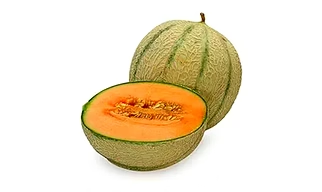
Muskmelons (Cantaloupes)
Description:
- Muskmelons, commonly known as cantaloupes, are round or oval-shaped fruits with a netted or smooth outer rind and sweet, juicy flesh. They belong to the Cucurbitaceae family and are characterized by their distinctive aroma and rich flavor. Muskmelons have a dense, orange-colored flesh with a high sugar content, making them a popular choice for desserts, salads, and snacks. They are typically harvested when fully ripe for optimal flavor and sweetness.
Specifications for Export Quality:
- Size: Export-quality muskmelons are typically medium to large in size, with weights ranging from 1.5 kilograms to 3 kilograms or more. They should have a uniform size and shape, free from deformities or irregularities.
- Shape: Muskmelons should have a symmetrical shape with smooth, even contours. They should not be misshapen or have uneven bulges, as this may affect the appearance and quality of the fruit.
- Rind Color: The rind of export-quality muskmelons should have a golden-yellow or orange hue, depending on the variety. It should be uniformly colored with well-defined netting or smooth skin, free from blemishes, scratches, or discoloration.
- Netting: Netted varieties of muskmelons should have well-defined, evenly spaced netting on the rind, which is a characteristic feature of the fruit. The netting should be prominent and visually appealing.
- Flesh Color: The flesh of muskmelons should be a vibrant shade of orange, indicating ripeness and sweetness. It should be uniformly colored throughout and free from any white streaks or discoloration.
- Sugar Content: Export-quality muskmelons should have a high sugar content, resulting in a sweet and flavorful taste. The sweetness can be measured using a refractometer to determine the Brix level, which indicates the sugar concentration in the fruit.
- Texture: The flesh of muskmelons should be firm, crisp, and juicy, with a melting texture that dissolves in the mouth. It should not be mealy, fibrous, or mushy, as these are indicators of poor quality or overripeness.
- Seed Cavity: The seed cavity of muskmelons should be well-developed but not overly large. It should contain mature seeds that are small, soft, and pale in color, with minimal impact on the eating experience.
- Harvesting: Muskmelons should be harvested at the optimal stage of ripeness, which is indicated by a fragrant aroma, a golden-yellow or orange rind color, and a slight softening of the stem end. Overripe muskmelons are prone to spoilage and should be avoided.
- Packaging: Export-quality muskmelons are typically packed in sturdy, ventilated containers such as cardboard boxes or plastic crates. The packaging should provide adequate protection against bruising, crushing, and exposure to moisture during transportation and storage.
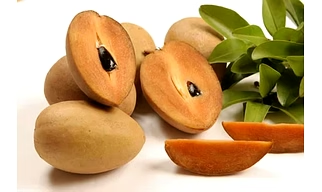
Sapota (Chikoo)
Description:
- Sapota, also known as chikoo or sapodilla, is a tropical fruit with a brown, rough outer skin and sweet, grainy flesh.
- It belongs to the Sapotaceae family and is native to Central America. Sapotas have a unique flavor that combines notes of pear, caramel, and brown sugar, making them a popular choice for fresh consumption and desserts.
- The flesh of sapotas is rich in dietary fiber, vitamins, and minerals, making them a nutritious addition to a balanced diet.
Specifications for Export Quality:
- Size: Export-quality sapotas are typically medium to large in size, with weights ranging from 100 grams to 300 grams or more. They should have a uniform size and shape, free from deformities or irregularities.
- Shape: Sapotas should have a symmetrical shape with smooth, even contours. They should not be misshapen or have uneven bulges, as this may affect the appearance and quality of the fruit.
- Skin Color: The skin of export-quality sapotas should have a uniform brown color with minimal blemishes, scars, or discoloration. It should be firm and free from soft spots or bruises.
- Flesh Color: The flesh of sapotas should be a creamy beige color, indicating ripeness and sweetness. It should be uniformly colored throughout and free from any dark spots or discoloration.
- Texture: The flesh of sapotas should be soft, smooth, and creamy, with a melt-in-your-mouth texture. It should not be gritty or fibrous, as these are indicators of poor quality or overripeness.
- Sugar Content: Export-quality sapotas should have a high sugar content, resulting in a sweet and flavorful taste. The sweetness can be measured using a refractometer to determine the Brix level, which indicates the sugar concentration in the fruit.
- Aroma: Sapotas should have a fragrant aroma that is characteristic of ripe fruit. The aroma should be sweet, floral, and inviting, signaling to consumers that the fruit is ripe and ready to eat.
- Harvesting: Sapotas should be harvested at the optimal stage of ripeness, which is indicated by a slight softening of the fruit, a sweet aroma, and a dull, matte appearance of the skin. Overripe sapotas are prone to spoilage and should be avoided.
- Packaging: Export-quality sapotas are typically packed in sturdy, ventilated containers such as cardboard boxes or plastic crates. The packaging should provide adequate protection against bruising, crushing, and exposure to moisture during transportation and storage.
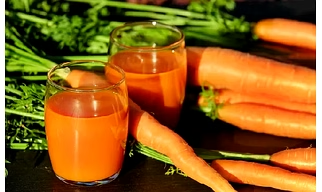
Carrot
Product: Carrot (Daucus carota)
Description:
Carrot is a popular root vegetable known for its sweet flavor, vibrant color, and nutritional benefits. It is widely cultivated and consumed globally, offering versatility in various culinary applications and food products.
Specifications for Export:
- Size: Carrots for export should have a uniform size, typically ranging from 15 cm to 25 cm in length and 2 cm to 4 cm in diameter. Uniformity in size ensures consistency in packaging and presentation.
- Shape: Carrots should be well-formed and cylindrical or slightly tapered in shape, without deformities or irregularities. Uniform shape facilitates handling, storage, and processing.
- Color: Export-quality carrots should have a vibrant orange color, indicating maturity and high levels of beta-carotene. Minimal blemishes, discoloration, or green tops are preferred for visual appeal.
- Skin Quality: Carrots should have smooth, clean, and intact skins without any cuts, bruises, or blemishes. Smooth skin enhances shelf life and reduces the risk of decay during transit.
- Texture: Carrots should have a firm and crisp texture, indicating freshness and quality. Sponginess or softness may indicate deterioration and should be avoided.
- Pesticide Residue: Carrots should comply with maximum residue limits (MRLs) for pesticides and chemical contaminants as per international food safety standards. Documentation certifying compliance may be required for export.
- Packaging: Carrots are typically packed in mesh bags, cartons, or crates suitable for export. Packaging should provide adequate ventilation to prevent moisture buildup and maintain freshness during transit.
- Moisture Content: Carrots should have a moderate moisture content to prevent dehydration and maintain crispness. Moisture levels should be monitored to avoid excessive sweating or rotting.
- Shelf Life: Exported carrots should have a sufficient shelf life to withstand transit and storage conditions. Proper post-harvest handling, temperature control, and packaging are essential for extending shelf life.
- Origin: The origin of carrots should be clearly labeled on packaging to ensure traceability and compliance with import regulations. Documentation verifying origin may be required for customs clearance.
- Grade: Carrots may be graded based on size, color, shape, and quality parameters. Grades such as Extra Fancy, Fancy, or Standard Grade may be used to classify carrots according to quality standards.
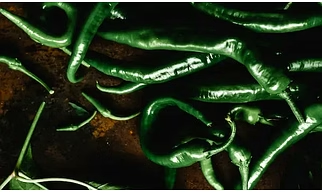
Chilli
Product: Chili (Chilli Pepper)
Description:
Chili, also known as chili pepper or hot pepper, is a fruit of plants belonging to the Capsicum genus. It is widely used as a spice to add heat and flavor to various cuisines around the world. Chilies come in different shapes, sizes, colors, and levels of spiciness, ranging from mild to extremely hot.
Specifications:
- Variety: There are numerous varieties of chili peppers cultivated globally, each with its unique characteristics in terms of shape, size, color, and spiciness. Common varieties include Jalapeño, Habanero, Thai Bird's Eye, Cayenne, and Serrano, among others.
- Scoville Heat Units (SHU): The Scoville scale measures the spiciness or heat level of chili peppers. It quantifies the amount of capsaicin, the compound responsible for the sensation of heat. The SHU can vary widely depending on the chili variety, ranging from mild to extremely hot.
- Size: Chili peppers come in various sizes, ranging from small to large, depending on the variety. Size specifications may be required by buyers for consistency in cooking or processing.
- Color: Chili peppers exhibit a wide range of colors, including green, yellow, orange, red, purple, and brown, depending on the maturity stage of the fruit. Color specifications may be important for visual appeal and market preferences.
- Shape: Chili peppers can be long, slender, round, conical, or wrinkled, depending on the variety. Shape specifications may be relevant for culinary uses, processing, or presentation.
- Flesh Thickness: The thickness of the flesh of chili peppers can vary between varieties and may affect texture and flavor. Thick-fleshed varieties are preferred for stuffing or roasting, while thin-fleshed varieties are suitable for drying and grinding into chili powder.
- Shelf Life: Chili peppers should have a sufficient shelf life to maintain freshness and quality during storage and transportation. Proper handling, storage conditions, and packaging are essential for extending shelf life.
- Pesticide Residue: Chili peppers should comply with maximum residue limits (MRLs) for pesticides and other chemical contaminants established by regulatory authorities to ensure food safety.
- Packaging: Chili peppers are typically packed in various packaging options such as mesh bags, cartons, or crates for transportation and retail display. Packaging specifications may vary based on market requirements and shipping logistics.
- Origin: The origin of chili peppers should be clearly labeled to ensure traceability and compliance with import regulations.
- Grade: Chili peppers may be graded based on size, color, and quality standards. Grades such as Grade A, Grade B, or Fancy Grade may be used to classify chili peppers according to quality parameters.
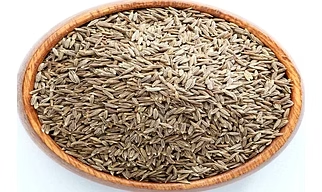
Cumin
Product: Cumin Seeds
Description:
Cumin seeds are the dried seeds of the Cuminum cyminum plant, which belongs to the parsley family. They are widely used as a spice in various cuisines worldwide, known for their distinctive aroma, warm flavor, and culinary versatility. Cumin seeds are also valued for their medicinal properties and are used in traditional herbal remedies.
Specifications for Export:
- Purity: Cumin seeds should be clean and free from foreign matter, such as dirt, stones, stems, and other impurities. High purity ensures the quality and marketability of the product.
- Color: Cumin seeds should have a uniform brown color, indicating maturity and proper drying. Any discoloration or off-color seeds should be minimal.
- Aroma: Cumin seeds should have a strong, aromatic fragrance characteristic of fresh and high-quality spices. The aroma should be spicy, earthy, and slightly bitter.
- Flavor: Cumin seeds should have a bold, warm flavor with a slightly nutty and peppery undertone. The flavor should be intense and well-balanced, without any signs of staleness or rancidity.
- Oil Content: Cumin seeds should have a moderate oil content, which contributes to their aroma, flavor, and nutritional value. The oil content is typically around 4-5% but may vary depending on the variety and growing conditions.
- Moisture Content: Cumin seeds should have a low moisture content to prevent mold growth, deterioration, and insect infestation during storage and transit. The maximum moisture content is usually around 10%.
- Size: Cumin seeds come in different sizes, ranging from small to medium. Export-quality cumin seeds should have a uniform size, with minimal variation to ensure consistency in cooking and processing.
- Shape: Cumin seeds are elongated and oval-shaped with ridges. They should be well-formed and uniform in shape, without any deformities or irregularities.
- Foreign Matter: Cumin seeds should be free from foreign matter, such as chaff, husks, and broken seeds. Any extraneous matter should be minimal and within acceptable limits.
- Microbiological Standards: Cumin seeds should comply with microbiological safety standards, including limits for total bacterial count, yeast, molds, and pathogens such as Salmonella and E. coli. Regular testing and certification may be required to ensure compliance with food safety regulations.
- Packaging: Cumin seeds are typically packed in moisture-resistant packaging such as laminated pouches, polypropylene bags, or jute bags to maintain freshness and prevent moisture absorption. Packaging should be sturdy and sealable to prevent contamination and spoilage during transit.
- Origin: The origin of cumin seeds should be clearly labeled on packaging to ensure traceability and compliance with import regulations. Documentation verifying origin may be required for customs clearance.
- Shelf Life: Cumin seeds should have a sufficient shelf life to maintain quality and flavor during storage and transit. Proper packaging, storage conditions, and handling practices are essential for extending shelf life.
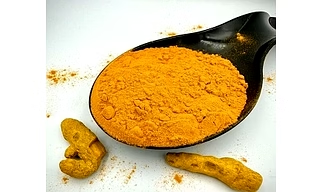
Turmeric Power
Product: Turmeric Powder
Description:
Turmeric powder is a ground spice derived from the rhizomes of the turmeric plant (Curcuma longa). It is widely known for its vibrant yellow color, earthy flavor, and numerous health benefits. Turmeric powder is a key ingredient in many cuisines worldwide and is also used for its medicinal properties and as a natural food coloring agent.
Specifications for Export:
- Color: Turmeric powder should have a bright yellow-orange color, indicating freshness and high curcumin content. The intensity of color may vary depending on the variety and processing method.
- Curcumin Content: The curcumin content is a crucial specification for turmeric powder, as it determines the potency and health benefits of the spice. Export-quality turmeric powder should have a minimum curcumin content of 3-5%, although higher concentrations are preferred for medicinal and culinary uses.
- Aroma: Turmeric powder should have a strong, aromatic fragrance characteristic of fresh and high-quality spices. A pungent, earthy aroma is typical of turmeric and indicates freshness.
- Flavor: Turmeric powder should have a distinct, slightly bitter flavor with subtle hints of pepper and ginger. The flavor profile may vary slightly depending on the variety and origin of the turmeric.
- Particle Size: Turmeric powder should have a fine texture with consistent particle size suitable for culinary applications and ease of blending. Fine grinding ensures uniform distribution of flavor and color in dishes.
- Moisture Content: Turmeric powder should have a low moisture content to prevent clumping, mold growth, and deterioration during storage and transit. The maximum moisture content is typically around 10%.
- Ash Content: The ash content of turmeric powder is an indicator of purity and should be within acceptable limits (usually below 8-9%).
- Microbiological Standards: Turmeric powder should comply with microbiological safety standards, including limits for total bacterial count, yeast, molds, and pathogens such as Salmonella and E. coli. Regular testing and certification may be required to ensure compliance with food safety regulations.
- Packaging: Turmeric powder is typically packed in moisture-resistant packaging such as laminated pouches, plastic jars, or metal tins to maintain freshness and prevent moisture absorption. Packaging should be sturdy and sealable to prevent contamination and spoilage during transit.
- Origin: The origin of turmeric powder should be clearly labeled on packaging to ensure traceability and compliance with import regulations. Documentation verifying origin may be required for customs clearance.
- Shelf Life: Turmeric powder should have a sufficient shelf life to maintain quality and potency during storage and transit. Proper packaging, storage conditions, and handling practices are essential for extending shelf life.
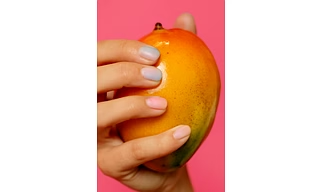
Mangoes
Description:
- Mangoes are juicy stone fruits with a sweet and tropical flavor. They come in various shapes, sizes, and colors depending on the variety
Specifications:
- Varieties like Alphonso, Kesar, and Totapuri are popular for export due to their distinct flavors, aroma, and firm flesh.
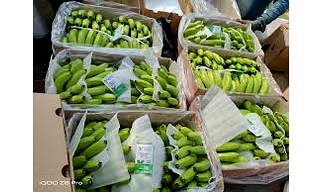
Bananas
Description:
- Bananas are elongated fruits with a soft, creamy flesh encased in a yellow peel. They have a sweet taste and are rich in potassium
Specifications:
- Cavendish bananas are the most common variety exported from India due to their uniform size, firmness, and long shelf life.
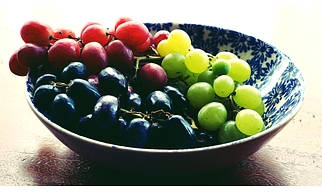
Grapes
Description:
- Grapes are small, round or oval-shaped berries that grow in clusters on vines. They come in various colors including green, red, and purple
Specifications:
- Thompson Seedless grapes are a popular export variety due to their crisp texture, sweet flavor, and good shelf life.
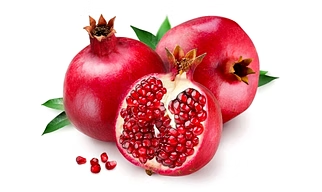
Pomegranates
Description:
- Pomegranates are round fruits with a thick, leathery skin that ranges in color from red to yellow. The interior is filled with juicy, ruby-red arils
Specifications:
- Indian pomegranates are known for their deep color, sweet-tart flavor, and high juice content, making them desirable for export markets.
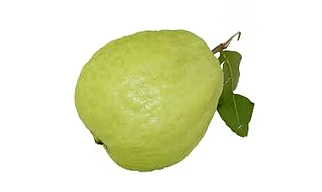
Guavas
Description:
- Guavas are round or oval fruits with green or yellow skin and pink or white flesh. They have a sweet, tropical flavor with a hint of acidity.
Specifications:
- Indian guavas are valued for their aromatic flavor, high vitamin C content, and smooth texture, making them suitable for both fresh consumption and processing.
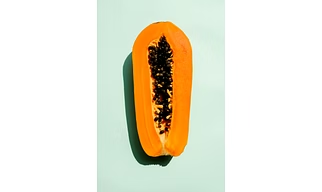
Papayas
Description:
- Papayas are large, oval fruits with yellow or orange skin and vibrant orange flesh. They have a sweet, tropical flavor with musky undertones
Specifications:
Indian papayas are known for their sweetness, soft texture, and high nutritional value, making them suitable for fresh consumption and processing.
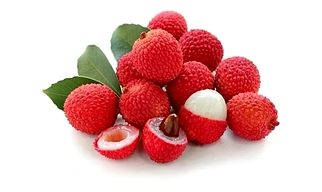
Litchis
Description:
- Litchis, also known as lychees, are tropical fruits with a rough, pinkish-red outer skin. They belong to the soapberry family and are characterized by their sweet, juicy flesh surrounding a single large seed. Litchis are typically small to medium in size and have a fragrant aroma with a sweet, floral taste.
Specifications for Export Quality:
- Size: Export-quality litchis are usually medium to large in size, with a diameter ranging from 3 to 4 centimeters. Larger litchis are preferred in some markets for their perceived value.
- Color: The skin of export-quality litchis should be uniformly pink or red, indicating ripeness. The skin should be free from blemishes, bruises, or spots. A bright and consistent color is desirable for aesthetic appeal.
- Texture: Litchis should have firm, plump flesh that yields slightly to gentle pressure. The skin should be intact without any signs of shriveling or drying. Overly soft or mushy litchis are considered undesirable for export.
- Flavor: Export-quality litchis should possess a well-balanced sweetness with subtle floral notes. The fruit should not have any off-flavors, bitterness, or signs of fermentation. The flavor should be characteristic of ripe, fresh litchis.
Shelf Life: Litchis intended for export should have a good shelf life to withstand transportation and storage. They should be harvested at the optimal stage of ripeness to ensure maximum freshness and longevity. - Packing: Litchis are typically packed in protective packaging such as corrugated boxes, clamshell containers, or plastic trays lined with perforated film. The packaging should provide adequate ventilation to prevent moisture buildup and extend shelf life.
- Maturity and Harvesting: Litchis are harvested when fully mature but still firm. Overripe litchis are more susceptible to damage during handling and transport. Harvesting should be done carefully to avoid bruising or puncturing the delicate skin.
- Post-Harvest Handling: After harvesting, litchis should undergo sorting, grading, and washing to remove any impurities. They should be cooled promptly to maintain freshness and quality. Proper temperature and humidity control during storage and transportation are essential to prevent spoilage and maintain the fruit's quality.
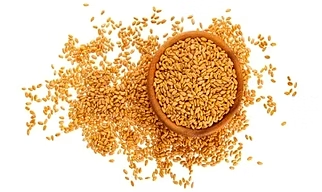
Wheat
Product: Wheat
Description:
Wheat is one of the most widely cultivated cereal grains globally and serves as a staple food for millions of people worldwide. It belongs to the Triticum genus and is known for its versatility in various culinary applications, including bread making, pasta production, and as a cereal grain for human consumption and animal feed.
Specifications:
- Variety: Wheat comes in different varieties, each with its unique characteristics, including hardness, protein content, and gluten strength. Common varieties include hard red winter wheat, hard red spring wheat, soft red winter wheat, and durum wheat.
- Protein Content: Protein content is a crucial specification for wheat, especially for baking purposes. It typically ranges from 10% to 14%, with higher protein content preferred for bread-making flour.
- Moisture Content: Wheat should have a moisture content ranging from 10% to 14% to ensure optimal storage and milling quality.
- Gluten Strength: Gluten is essential for dough elasticity and bread structure. The gluten strength of wheat can vary depending on the variety and protein content.
- Test Weight: Test weight is a measure of wheat density and is expressed in pounds per bushel (lbs/bu). It indicates the quality and milling characteristics of wheat, with higher test weights preferred.
- Foreign Matter: Wheat should be free from foreign matter, such as dirt, stones, chaff, and other impurities.
- Damaged Kernels: The percentage of damaged kernels should be minimal, as damaged kernels can affect the quality and milling efficiency of wheat.
- Falling Number: Falling number is a measure of wheat starch quality and indicates its suitability for bread-making. A higher falling number indicates better starch quality and is preferred for baking purposes.
- Origin: The origin of the wheat should be clearly specified to ensure traceability and compliance with import regulations.
- Packaging: Wheat is typically packaged in bulk containers, sacks, or bags, depending on customer preferences and shipping requirements.
- GMO Status: Non-GMO or GMO-free status may be specified based on buyer preferences and regulatory requirements.
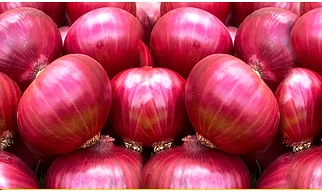
Onions
Product: Onion
Description:
Onion is a widely cultivated vegetable belonging to the genus Allium. It is known for its pungent flavor and is used in various culinary dishes worldwide. Onions are versatile and can be consumed raw, cooked, or processed into various food products such as sauces, soups, and condiments.
Specifications:
- Variety: There are different varieties of onions cultivated worldwide, each with its unique flavor, size, and color characteristics. Common varieties include yellow onions, red onions, and white onions.
- Size: Onions come in various sizes ranging from small to jumbo, with diameters typically measured in inches or centimeters. Size specifications may vary based on market preferences and customer requirements.
- Color: The color of onions can vary depending on the variety, with yellow, red, and white being the most common colors. Specific color requirements may be specified by buyers.
- Shape: Onions can be round, oval, or elongated in shape, with shape specifications sometimes required by buyers for aesthetic or processing purposes.
- Skin Quality: Onions should have firm, dry, and intact skins without any signs of mold, sprouting, or damage. Skin quality is essential for storage and shelf life.
- Bulb Firmness: Onions should have firm bulbs without any soft spots or signs of decay. Firmness is an indicator of freshness and quality.
- Moisture Content: Onions should have a moderate moisture content to ensure freshness and prevent dehydration. Excessive moisture can lead to sprouting and spoilage.
- Pungency: Onions are known for their pungent flavor, which is attributed to sulfur compounds. Pungency levels may vary between onion varieties and can be specified by buyers.
- Shelf Life: Onions should have a sufficient shelf life to maintain quality during storage and transportation. Proper handling and storage conditions are essential for extending shelf life.
- Packaging: Onions are typically packed in mesh bags, crates, or cartons for transportation and retail display. Packaging specifications may vary based on market requirements and shipping logistics.
- Origin: The origin of onions should be clearly labeled to ensure traceability and compliance with import regulations.
- Grade: Onions may be graded based on size, skin quality, and appearance. Grades such as Grade A, Grade B, or Fancy Grade may be used to classify onions according to quality standards.

Tamarind
Description:
- Tamarind is a tropical fruit that grows on the tamarind tree (Tamarindus indica). It is pod-like in appearance and contains seeds surrounded by a sticky, fibrous pulp. Tamarind pods mature into a brown, brittle shell when ripe, and the pulp inside is tart and tangy with a sweet-sour flavor profile.
- Tamarind is widely used in culinary applications around the world, particularly in Asian, African, and Latin American cuisines, where it adds a unique tangy flavor to dishes, sauces, chutneys, beverages, and candies. Tamarind is also valued for its medicinal properties and is used in traditional medicine for its digestive and antioxidant benefits.
Specifications:
- Origin: Tamarind is cultivated in tropical regions worldwide, including India.
- Appearance: Tamarind pods should have a uniform brown color and a firm, intact shell. The pulp inside should be dark brown to reddish-brown in color, with a sticky texture.
- Size: Tamarind pods can vary in size, typically ranging from 5 to 15 centimeters in length and 2 to 4 centimeters in width.
- Moisture Content: Export-quality tamarind should have a moisture content of around 10% to 15%. Excess moisture can lead to mold growth and spoilage during storage and transportation.
- Tamarind Pulp: The pulp inside the tamarind pods should be free from seeds, shells, and other extraneous matter. It should have a consistent texture and color, with no signs of fermentation or spoilage.
- Flavor: Tamarind pulp should have a characteristic tangy and sour flavor with subtle sweet undertones. The flavor should be well-balanced and free from any off-flavors or rancidity.
- Packaging: Tamarind is typically packed in bulk packaging such as jute bags, cartons, or plastic-lined sacks to protect it from moisture and physical damage during transit. Packaging should be sturdy and provide adequate ventilation to prevent mold growth.
- Shelf Life: Properly stored tamarind can have a shelf life of up to one year or more. It should be stored in a cool, dry place away from direct sunlight and moisture to maintain its quality and freshness.
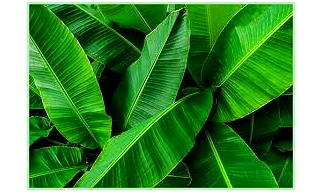
Banana leaf
Description:
- Size and Shape: Banana leaves are typically large, elongated, and oval-shaped, resembling the shape of a paddle or a boat. They can vary in size but are generally large enough to wrap food items or serve as plates.
- Texture: The surface of banana leaves is smooth and glossy, with prominent veins running along the length of the leaf. They have a flexible yet sturdy texture, making them suitable for wrapping and cooking food.
- Color: When fresh, banana leaves are bright green in color, gradually darkening to a deeper shade as they mature. The underside of the leaf is usually lighter in color compared to the top surface.
- Aroma: Fresh banana leaves have a subtle, pleasant aroma reminiscent of freshly cut grass or green vegetation. This aroma can enhance the sensory experience of dishes wrapped or cooked in banana leaves.
Specifications for Culinary Use:
- Cleanliness: Banana leaves should be free from dirt, debris, and pests. They are typically cleaned and sanitized before use by rinsing with water and wiping with a clean cloth.
- Flexibility: Banana leaves should be flexible and pliable, allowing them to be easily folded, rolled, or shaped to wrap food items. They should not be brittle or prone to tearing.
- Thickness: Banana leaves should have a moderate thickness that provides structural integrity without being too thick or too thin. This ensures that they can withstand handling and cooking processes without tearing.
- Freshness: Freshness is essential for banana leaves, as they can wilt and lose their vibrant color and aroma over time. They are best used soon after harvesting or storing under proper conditions to maintain their quality.
Cultural and Practical Uses:
- Serving: Banana leaves are commonly used as eco-friendly serving plates or platters for traditional meals and festive occasions. They add a rustic charm to the dining experience and can be disposed of easily after use.
- Cooking: Banana leaves are utilized in various cooking methods, such as wrapping food parcels for steaming, grilling, or baking. They impart a subtle, aromatic flavor to the food while helping to retain moisture and imparting tenderness.
- Rituals and ceremonies: In many cultures, banana leaves hold symbolic significance and are used in religious rituals, ceremonies, and decorations. They are often incorporated into rituals as offerings or used to decorate altars and shrines.
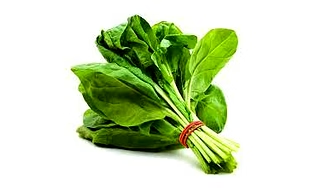
Spinach
Spinach is a leafy green vegetable known for its tender texture, mild flavor, and nutritional richness. Here's a description and specifications for spinach:
Description:
- Appearance: Spinach leaves are dark green in color and have a broad, flat shape. The leaves are attached to thin, tender stems.
- Texture: Spinach leaves are tender and delicate, with a smooth texture. They wilt quickly when cooked and can be eaten raw in salads or cooked in various dishes.
- Flavor: Spinach has a mild, slightly sweet flavor with a subtle earthiness. The flavor becomes more pronounced when the spinach is cooked.
- Aroma: Spinach has a fresh, grassy aroma that is characteristic of leafy green vegetables.
Specifications for Culinary Use:
- Cleaning: Spinach should be thoroughly washed under running water to remove any dirt or debris from the leaves. It is important to remove any tough stems or discolored leaves before cooking.
- Preparation: Spinach can be eaten raw in salads or sandwiches, or cooked in a variety of dishes such as soups, stews, stir-fries, and pasta dishes. It can be sautéed, steamed, boiled, or blanched.
- Cooking Time: Spinach cooks quickly and should be cooked only until wilted to preserve its vibrant color and nutrients. Overcooking can result in a loss of flavor and texture.
- Flavor Pairings: Spinach pairs well with a wide range of ingredients, including garlic, onions, tomatoes, mushrooms, cheese, nuts, and citrus fruits. It is commonly used in dishes such as spinach and feta salad, creamed spinach, spinach lasagna, and spinach quiche.
- Nutritional Value: Spinach is highly nutritious and is rich in vitamins, minerals, and antioxidants. It is an excellent source of vitamin K, vitamin A, vitamin C, folate, iron, and calcium. Spinach is also low in calories and carbohydrates, making it a popular choice for weight loss and healthy eating.
- Spinach should be stored in the refrigerator to maintain its freshness and crispness. It can be stored in a plastic bag or container with a damp paper towel to prevent wilting.
- Spinach is best consumed within a few days of purchase, as it tends to wilt and deteriorate quickly.
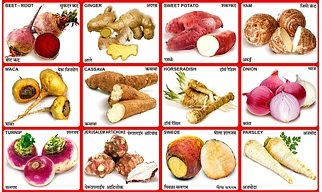
Root Vegetables
Root vegetables are a diverse group of vegetables that grow underground and are known for their hearty flavors, starchy textures, and nutritional richness. Here's a description and specifications for root vegetables:
- Carrots
- Potatoes (e.g., Russet, Yukon Gold, Sweet Potatoes)
- Beets
- Turnips
- Radishes
- Parsnips
Description:
- Appearance: Root vegetables come in various shapes, sizes, and colors, but they typically have a bulbous or elongated shape with a rough outer skin. Examples include carrots, potatoes, beets, radishes, turnips, and sweet potatoes.
- Texture: Root vegetables have a dense, firm texture with varying degrees of starchiness. Some, like potatoes and sweet potatoes, are soft and creamy when cooked, while others, like carrots and turnips, are crisp and crunchy.
- Flavor: Root vegetables offer a range of flavors, from earthy and nutty to sweet and peppery. The flavor intensifies when cooked, with some varieties developing caramelized or roasted notes.
- Aroma: When raw, root vegetables have a subtle, earthy aroma that is characteristic of their underground growth. The aroma becomes more pronounced when they are cooked.
Specifications for Culinary Use:
- Cleaning: Root vegetables should be thoroughly washed under running water to remove any dirt, debris, or pesticides from the surface. It's essential to scrub them with a brush to remove any stubborn dirt.
- Preparation: Root vegetables can be eaten raw in salads or slaws, or cooked in a variety of dishes such as soups, stews, roasts, and gratins. They can be peeled, chopped, sliced, grated, or mashed, depending on the recipe.
- Cooking Time: Cooking times vary depending on the type of root vegetable and the desired texture. Some varieties, like potatoes and sweet potatoes, cook relatively quickly, while others, like beets and turnips, benefit from longer cooking times to soften and develop their flavors.
- Flavor Pairings: Root vegetables pair well with a wide range of ingredients, including garlic, onions, herbs, spices, citrus fruits, nuts, and cheeses. They can be seasoned with salt, pepper, olive oil, butter, and vinegar to enhance their flavor.
- Nutritional Value: Root vegetables are highly nutritious and are rich in vitamins, minerals, and antioxidants. They are an excellent source of complex carbohydrates, dietary fiber, vitamin C, vitamin A, potassium, and other essential nutrients. Root vegetables are also low in fat and calories, making them a healthy choice for a balanced diet.
Storage:
- Root vegetables should be stored in a cool, dark place, such as a pantry or cellar, to maintain their freshness and flavor. They can be stored in a breathable bag or container to prevent them from drying out or sprouting.
- It's best to store root vegetables away from other fruits and vegetables, as they can emit ethylene gas, which can cause premature ripening and spoilage.
It's essential to inspect root vegetables regularly for any signs of spoilage, decay, or sprouting. Discard any vegetables that show signs of deterioration to prevent them from affecting the quality of other vegetables.


 GL Trustmark