
Our Products
Showing 1-16 of 16 products
Refined Rice Bran Oil
Refined rice bran oil stands out in the culinary world for its exceptional qualities. Derived from raw rice bran oil through meticulous purification, it boasts a high smoke point, making it ideal for deep-frying and stir-frying. Rich in natural antioxidants like vitamin E and gamma oryzanol, it supports overall well-being. Its heart-healthy fat composition, low in saturated fats and cholesterol-free, promotes cardiovascular health. With abundant omega-9 fatty acids, it aids in maintaining a balanced lipid profile. Whether you're a professional chef or a health-conscious home cook, refined rice bran oil enhances both flavor and nutrition in your meals.

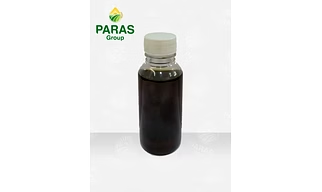
Crude Rice Bran Oil
Non-edible crude rice bran oil, derived from rice bran, is a versatile industrial resource. Unlike its edible counterpart, it is extracted using solvent-based methods, resulting in a raw, unrefined form ideal for industrial applications. Its exceptional oxidative stability makes it suitable for lubricants, hydraulic fluids, and anti-corrosion coatings, withstanding extreme conditions. Beneficial compounds like gamma oryzanol and tocopherols enhance its use in cosmetics and pharmaceuticals for skin-soothing and therapeutic properties. In agriculture, it serves as an eco-friendly biopesticide and fungicide. This oil's diverse applications in manufacturing, agriculture, and cosmetics highlight its remarkable versatility and sustainability.
Karanj Oil
Karanj oil, extracted from the seeds of the karanja tree (Pongamia pinnata), is a versatile natural resource with diverse industrial applications. Its unique fatty acid profile, rich in pongamol and karanjin, makes it valuable across sectors. In agriculture, karanj oil serves as an eco-friendly pesticide and insecticide, promoting sustainable farming. Its antioxidant and anti-inflammatory properties make it a prized ingredient in cosmetics and pharmaceuticals, enhancing skincare products. Additionally, karanj oil is explored for energy production, showcasing its potential as a sustainable resource. Its versatility and eco-friendly nature make it a powerful solution for modern industries.
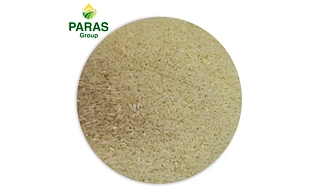
Raw Rice
Chhattisgarh, known as the "Rice Bowl of Central India," excels in rice cultivation, with raw rice being a staple and cultural cornerstone. The region boasts diverse rice varieties like long grain rice, short grain rice and Swarna, thriving in its favorable climate and fertile soils. Traditional farming practices coexist with modern techniques, with smallholder farmers driving production. Chhattisgarh's raw rice reaches local and international markets, which are supported by robust infrastructure. Sustainable practices, including organic farming and efficient water management, are increasingly adopted. The raw rice industry significantly boosts the state's economy, providing employment and rural development. This blend of tradition and innovation ensures Chhattisgarh's continued prominence in rice production.
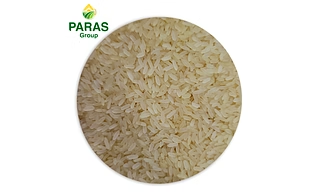
Indian Parboiled Rice
**Parboiled Rice in Chhattisgarh: Tradition Meets Innovation**
Parboiled rice plays a crucial role in Chhattisgarh’s agricultural sector, combining traditional methods with modern processing techniques. The parboiling process—soaking, steaming, and drying paddy before milling—enhances the rice’s texture, making it firmer and less prone to breakage.
This process also boosts nutritional value by preserving essential vitamins and minerals, offering a healthier alternative to fully polished white rice. Additionally, parboiled rice is more resistant to pests and spoilage, extending shelf life without the need for chemical preservatives—a key advantage in Chhattisgarh’s tropical climate.
With a growing focus on sustainable farming, local farmers are adopting eco-friendly practices such as organic cultivation and water conservation. The state’s high-quality parboiled rice is gaining international recognition, supported by its strategic location and efficient supply chains.
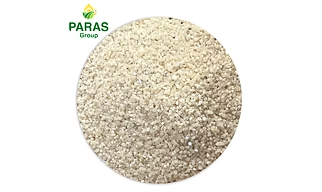
Broken Rice
Broken raw rice, resulting from fractured grains during milling, has numerous uses despite not meeting whole grain standards. It can be ground into rice flour for baking and thickening sauces, serving as a gluten-free alternative. In brewing, it aids in fermenting alcoholic beverages like sake. It is also used in animal feed for its carbohydrate content and can be deep-fried into crispy snacks. Environmentally, it is used in biodegradable packaging. As a thickening agent, it enhances soups and stews, and it fills therapeutic rice bags. These applications highlight its versatility and value in reducing waste and maximizing resource efficiency.
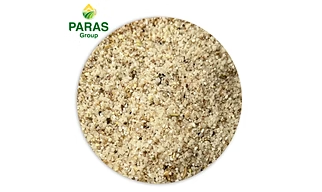
Rafi (rice germ)
Rice germ, a nutritious part of the rice grain, has numerous applications across various industries. It is primarily used for producing rice bran oil, rich in healthy fats for cooking and dressings. In the health sector, it is processed into nutritional supplements and used in pharmaceuticals as a carrier oil. Cosmetically, rice germ oil is valued for its moisturizing properties in skincare products. It also serves as a nutrient-rich ingredient in animal feed and food products, enhancing their nutritional value. Additionally, rice germ is used to produce rice bran wax for cosmetics and pharmaceuticals, and it contributes to biodegradable lubricants and biofuel production. Its potential in bioplastics and erosion control further highlights its versatility and sustainability.
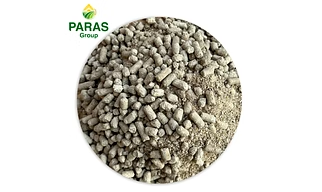
De-oild Rice Bran Cake
De-oiled rice bran, a byproduct of rice bran oil extraction, has numerous applications across various industries. It is used as a nutritious animal feed for livestock, poultry, and aquaculture due to its high fiber, protein, and essential fatty acids. In agriculture, it serves as an organic fertilizer, improving soil structure and moisture retention. Environmentally, it is used to create biodegradable packaging and pots for seedlings, reducing plastic waste. Industrially, it is used in abrasive powders, polishing compounds, and oil-absorbing materials. Its bioactive compounds, like gamma oryzanol and phytosterols, are utilized in pharmaceuticals. Additionally, it is a feedstock for biofuel production, aids in erosion control, enhances biodiversity in aquaculture, and serves as thermal insulation in construction. It also enhances composting processes. These applications highlight its versatility and importance in minimizing waste and maximizing resource efficiency.
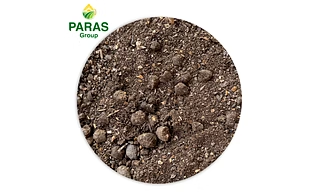
Deoiled Neem Cake
De-oiled neem cake, a byproduct from extracting neem oil from seeds, offers numerous agricultural benefits:
1. **Organic Fertilizer**: Rich in nitrogen, phosphorus, and potassium, it slowly releases nutrients, promoting healthy plant growth.
2. **Natural Pest Control**: Contains azadirachtin, which repels soil-borne pests and nematodes when mixed with soil.
3. **Soil Amendment**: Improves soil structure, water retention, and microbial activity, reducing compaction and erosion.
4. **Biodegradable Mulch**: Suppresses weeds, conserves moisture, and regulates soil temperature.
5. **Seed Treatment**: Protects seeds from diseases and pests, ensuring healthier seedlings.
6. **Livestock Feed Supplement**: Provides protein and fiber for livestock.
7. **Wastewater Treatment**: Helps remove pollutants and enhance water quality.
8. **Biogas Production**: Used as a substrate for anaerobic digestion to generate biogas and organic fertilizer.
9. **Fisheries**: Supplementary feed for fish and controls algae in fish ponds.
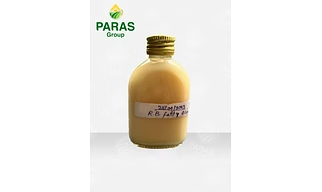
Rice Bran Fatty Acid
Rice Bran Fatty Acid: A Versatile Industrial Ingredient
Rice bran fatty acid, byproduct of rice bran oil refining, is widely used across industries due to its unique chemical composition. In cosmetics and skincare, it acts as a moisturizer and emollient, improving skin hydration and texture. It is also a key ingredient in soap manufacturing, contributing to cleansing and lathering properties.
In the pharmaceutical sector, it serves as an excipient in ointments and creams. The textile industry benefits from its softening properties, while leather and shoe polish formulations use it for nourishment and protection. Additionally, it plays a role in lubricants, greases, and cutting fluids.
Rice bran fatty acid is also an effective emulsifier in food products, stabilizing dressings and sauces. It enhances adhesion in paints, coatings, and printing inks, improving flow and printability. With its diverse applications, rice bran fatty acid is a valuable and sustainable resource for multiple industries.
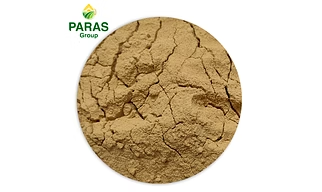
De-oiled Rice Bran Wax
**De-Oiled Rice Bran Wax: A Versatile Industrial Byproduct**
De-oiled rice bran wax, derived from rice bran oil extraction, has diverse applications across multiple industries. In cosmetics, it acts as a natural thickener and emollient in skincare products, lip balms, and lotions. The food industry uses it as a glazing agent for confectionery, fruits, and chewing gum.
In pharmaceuticals, it serves as a tablet coating agent, improving texture and controlled release. It is also used in candle manufacturing, leather waterproofing, and paper coatings for moisture resistance. Additionally, it plays a role in adhesives, polishing compounds, and biodegradable packaging.
Other uses include lubricants, sculpting mediums, and woodworking finishes. It is also a source of phytosterols, beneficial compounds for functional foods and pharmaceuticals. Given its eco-friendly nature and versatility, de-oiled rice bran wax is a valuable resource for sustainable manufacturing, offering applications in food, cosmetics, pharmaceuticals, and industrial processes.
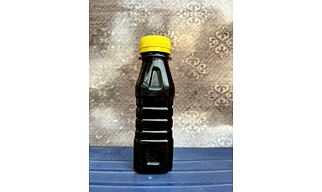
Expeller Neem Oil
Expeller neem oil, derived from the neem tree (Azadirachta indica), is produced by mechanically pressing neem seeds to extract oil, retaining its natural properties. It offers numerous skin and hair benefits due to its antibacterial, antifungal, and anti-inflammatory properties. It helps treat skin conditions like acne and eczema, moisturizes skin, strengthens hair, and prevents dandruff and hair loss. Beyond cosmetics, expeller neem oil supports immune function, aids digestion, and may help lower blood sugar levels. It’s rich in fatty acids, vitamins, and antioxidants, and can be applied topically or consumed as a dietary supplement.
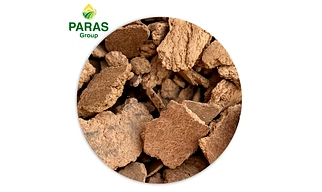
Mahua Deoiled cake
**Mahua De-Oiled Cake: A Sustainable Agricultural Resource**
Mahua de-oiled cake, a byproduct of mahua oil extraction, is a valuable organic material with multiple agricultural uses. It serves as an excellent organic fertilizer, enriching the soil with essential nutrients like nitrogen, phosphorus, and potassium. Its slow-release nature ensures a steady supply of nutrients, promoting healthy plant growth.
It improves soil aeration, water retention, and microbial activity while acting as a natural pest repellent. Farmers use it as biodegradable mulch to suppress weeds and conserve moisture. It also aids in seed coating, composting, and biogas production.
Beyond agriculture, mahua de-oiled cake benefits livestock by serving as a supplementary feed and parasite control agent. It is also used in fisheries as fish feed. With applications in biodiesel production and home gardening, this byproduct supports sustainable farming and environmental conservation. Its diverse benefits make it a crucial component in organic and eco-friendly agricultural practices
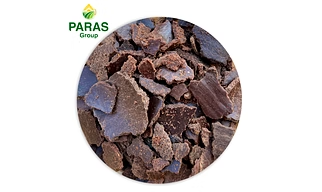
Mahua Oil Cake
Mahua oil cake, a byproduct from extracting mahua oil from seeds, offers numerous agricultural benefits:
1. **Organic Fertilizer**: Rich in nitrogen, phosphorus, and potassium, it enriches soil and improves structure.
2. **Slow-Release Nutrient Source**: Gradually releases nutrients, promoting sustained plant growth.
3. **Soil Amendment**: Enhances water retention, aeration, and microbial activity, reducing compaction.
4. **Pest Repellent**: Natural compounds deter soil-borne pests and nematodes.
5. **Biodegradable Mulch**: Suppresses weeds, conserves moisture, and regulates soil temperature.
6. **Seed Coating**: Protects seeds from diseases and pests, ensuring healthier seedlings.
7. **Animal Feed Supplement**: Provides protein and fiber for livestock.
8. **Composting**: Aids decomposition and enriches compost with nutrients.
9. **Biodiesel Production**: Used as feedstock for biofuel.
10. **Biogas Generation**: Produces biogas and nutrient-rich residual slurry.
11. **Livestock Health**: Controls internal parasites and improves well-being.
12. **Fisheries**: Supplementary feed for fish in aquaculture.

 GL Trustmark