
Our Products
Showing 1-11 of 11 products
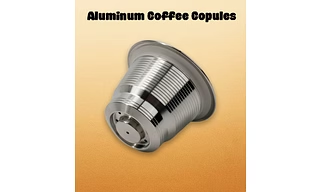
aluminum coffee capsule
An aluminum coffee capsule is a small, single-use container typically used in single-serve coffee machines (like Nespresso). It's made of aluminum to preserve the freshness and aroma of ground coffee by protecting it from light, moisture, and air. Here’s a quick breakdown:
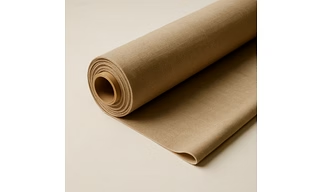
100% woven cotton fabric
"100% Cotton Woven Fabric" refers to a textile made entirely from cotton fibers and constructed using a weaving technique. Here's a quick breakdown:
Key Features:
Material: 100% natural cotton, breathable and hypoallergenic.
Weave: Yarn is interlaced at right angles, offering strength and durability.
Types of Weaves: Common types include plain weave (e.g., poplin), twill (e.g., denim), and satin.
Uses: Ideal for shirts, dresses, bed linens, curtains, upholstery, and craft projects.
Benefits:
Soft and comfortable
Absorbent and breathable
Easy to dye and print on
Machine washable
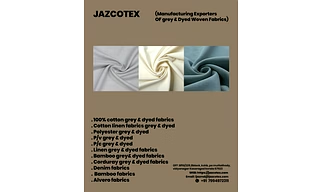
cotton woven fabrics grey and dyed,linen.p/c
Cotton textiles are one of the world’s most widely used fabrics, known for their softness, breathability, and versatility. From clothing to home furnishings, cotton dominates the global textile industry.
Cotton textiles are fabrics made from the natural fibers of the cotton plant (Gossypium). These fibers are spun into yarn and then woven or knitted into various fabrics.
Key Characteristics:
✔ Soft & Comfortable – Ideal for everyday wear.
✔ Breathable – Allows air circulation, great for hot climates.
✔ Absorbent – Can hold up to 27 times its weight in water.
✔ Durable – Stronger when wet, making it easy to wash.
✔ Hypoallergenic – Rarely causes skin irritation.
2. Types of Cotton Textiles
A) By Cotton Variety
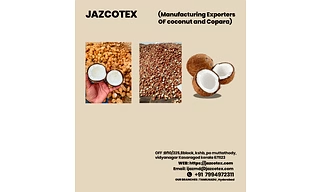
coconut copra
Edible Uses: Cooking, baking, frying, coffee creamer.
Beauty Uses: Skin moisturizer, hair conditioner, oil pulling.
Types: Virgin (unrefined), refined, fractionated.
2. Coconut Milk & Cream
Milk: Thinner, used in curries, smoothies, dairy-free drinks.
Cream: Thicker, used in desserts, soups, whipped toppings.
3. Coconut Water
Natural electrolyte-rich drink (great for hydration).
Different from coconut milk (clear vs. creamy).
4. Coconut Flour
Gluten-free, high-fiber flour for baking.
5. Coconut Sugar
Low-glycemic sweetener made from coconut palm sap.
6. Coconut Meat (Fresh/Dried)
Fresh: Eaten raw, used in desserts.
Dried: Shredded/desiccated coconut for baking.
7. Coconut-Based Products
MCT Oil (from coconut, used for energy).
Coconut Aminos (soy sauce alternative).
Coconut Yogurt/Vegan Cheese (dairy-free alternatives).
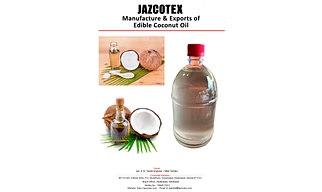
coconut edible oil
dible coconut oil is a popular cooking oil derived from the meat of mature coconuts. It's widely used in cooking, baking, and skincare due to its unique properties. Here’s what you need to know:
Types of Edible Coconut Oil:
Virgin (Unrefined) Coconut Oil
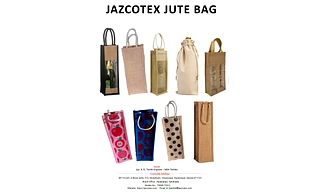
jute bag
Jute bags are bags made from the natural fibers of the jute plant. Jute, often called the "golden fiber" due to its color and shine, is primarily grown in hot, humid regions like India
Here's a breakdown of what makes jute bags a noteworthy choice:
Key Features and Benefits:
Eco-Friendly: Jute is a highly sustainable material. The plants grow quickly with minimal need for pesticides, herbicides, or fertilizers, and they require less water compared to crops like cotton. Jute is also 100% biodegradable and compostable, meaning it breaks down naturally without leaving harmful residues.
Durable and Strong: Jute fibers are known for their strength and can withstand significant weight, making jute bags reliable for carrying groceries, books, and other everyday items. Their durability also means they can be reused many times, reducing the need for single-use plastic bags.
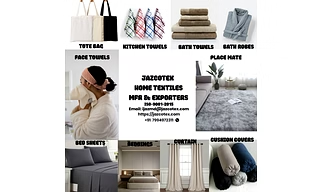
BEDDINGS
Home Textiles" refers to the fabrics and textile products used for furnishing and decorating homes. These items are primarily functional but also serve aesthetic purposes. Here’s a breakdown of what typically falls under home textiles:
Common Categories of Home Textiles:
Bedding
Bedsheets
Pillowcases
Comforters and duvets
Blankets
Mattress protectors
Bath Textiles
Towels
Bathrobes
Bath mats
Shower curtains (sometimes)
Living Room Textiles
Curtains and drapes
Upholstery fabrics
Cushion covers
Throws
Kitchen Textiles
Dish towels
Oven mitts
Tablecloths
Napkins
Aprons
Floor Textiles
Rugs
Carpets
Mats
Materials Used
Cotton
Linen
Silk
Wool
Polyester
Blends (e.g., cotton-poly)
Applications
Interior design and decoration
Comfort and warmth
Protection (e.g., mattress covers)
Hygiene (e.g., towels, bath mats)
If you’re looking for something more specific like market trends, manufacturing, sustainability topics, or branding in home textiles, feel free to specify!
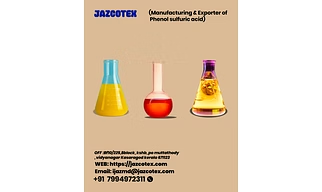
phenol SULFURIC ACID
manufacturing and exporters of phenol
The Phenol-Sulfuric Acid method is a widely used colorimetric assay for the quantitative determination of carbohydrates, including simple sugars and complex polysaccharides. Here’s a breakdown of what it is and how it works:
Applications
Food industry (e.g., sugar content in beverages)
Biochemistry (e.g., analysis of glycogen or starch)
Environmental science (e.g., carbohydrate content in water samples)
Biofuel research (e.g., quantifying sugars in biomass)
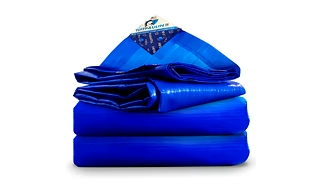
polyethylene tarapaulin
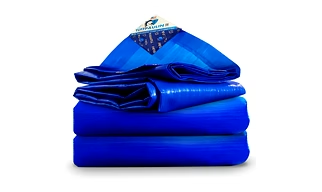
A tarpaulin, commonly known as a tarp, is a large sheet of strong, flexible, water-resistant or waterproof material. Tarpaulins are used in many ways to protect persons and things from wind, rain, and sunlight. They are used during construction or after disasters to protect partially built or damaged structures, to prevent mess during painting and similar activities, and to contain and collect debris. They are used to protect the loads of open trucks and wagons, to keep wood piles dry, and for shelters such as tents or other temporary structures
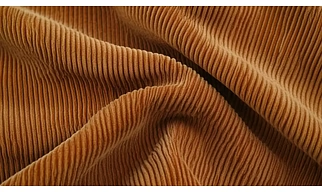
100 % WOVEN COTTON FABRIC
otton fabric is a natural textile made from the fibers of the cotton plant. It's renowned for its softness, breathability, and versatility, making it a staple in clothing, home textiles, and various industrial applications.
Cotton comes in numerous weaves and finishes, each suited for specific purposes:
Muslin: A lightweight, loosely woven fabric, ideal for baby clothes, linings, and summer wear.
Cambric: A fine, smooth fabric often used for shirts, dresses, and handkerchiefs.
Voile: A sheer, lightweight fabric perfect for curtains and breathable summer garments.
Poplin: A durable, plain-weave fabric commonly used for shirts and uniforms.
Fanda Fabrics
Denim: A sturdy twill weave fabric, traditionally used for jeans and jackets.
Chintz: A glazed cotton fabric with vibrant prints, popular in home décor.
Sew Guide
Khadi: A hand-spun, hand-woven fabric known for its breathability and cultural significance in India.
Textile Library
🌿 Key Properties of Cotton
Breathable & Moisture-Absorbing: Cotton allows air circulation and absorbs moisture, keeping you cool and dry.
Craft & Design - Craft & Design
polyethylene tarapaulin
olyethylene tarpaulin (often called PE tarp) is one of the most widely used types of tarpaulin due to its affordability, durability, and water resistance. It is made by weaving strips of polyethylene plastic and then laminating both sides for added strength and waterproofing.
🔹 Key Features of Polyethylene Tarpaulin:
Waterproof and UV resistant (if treated)
Tear-resistant due to the cross-weave design
Lightweight and flexible
Available in various GSM ratings (grams per square meter) indicating thickness and strength
Comes with eyelets/grommets for easy tying or securing


 GL Trustmark