

 GL Trustmark
 FIEO Registered
Our Products
Showing 1-5 of 5 products

Copra
Nutritional Profile of Dry Coconut (per 100 grams):
- Calories: 354
- Protein: 3.3g
- Carbohydrates: 15.23g
- Sugar: 6.23g
- Fiber: 9g
- Fat: 29.7g
- Monounsaturated: 1.43g
- Polyunsaturated: 0.37g
Vitamins in Copra (per specific percentages and amounts):
- Vitamin B1: 6%, 0.066 mg
- Riboflavin: 2%, 0.02 mg
- Niacin: 4%, 0.54 mg
- Pantothenic Acid: 6%, 0.300 mg
- Vitamin B5: 0.054 mg
- Vitamin B6: 4%
- Folate: 7%
- Vitamin C: 4%
- Total: 3.3 mg
Minerals in Copra:
- Calcium: 1%
- Iron: 19%
- Magnesium: 9%
- Phosphorus: 16%
- Potassium: 8%, 356 mg
- Zinc: 12%
Uses of Copra (Dried Coconut):
- Coconut milk, coconut oil, dried coconut jam
Benefits of Coconut Oil:
- Excellent skin moisturizer
- Regular use hydrates, adds elasticity and brightens the skin.
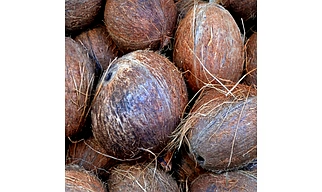
Matured Coconuts
Matured coconuts are fully ripened, featuring a hard outer shell and a rich, flavorful white flesh. Known for their robust taste and versatility, they are ideal for cooking, baking, and making coconut water. These coconuts offer high-quality, natural ingredients for various culinary uses.
Coconut: High-fat, highly nutritious fruit
Minerals & Nutrients:
- Potassium
- Sodium
- Manganese
- Phosphorus
- Iron
- Vitamin B
- Copper
Health Benefits:
- Manganese: Supports bone health
- Copper & Iron: Maintains red blood cell health
- Coconut Flesh & Oil: High levels of good HDL cholesterol
Overall:
- Numerous health benefits
Recommendation:
- Add to your daily routine for optimal health benefits

Tamarind PULP
Tamarind:
- Contains nutrient-rich fibers and pulp
Potential effects:
- Antioxidant
- Antifungal
- Antibacterial
- Antiviral
- Type of tropical fruit used globally in various dishes
- Scientifically known as Tamarindus
Polyphenols provide:
- Antioxidant
- Anti-inflammatory properties
- Potential protection against diseases like heart disease, cancer, and diabetes
Nutrient Content (per 1 cup / 120 grams of pulp):
- Magnesium: 26%
- Potassium: 16%
- Iron: 19%
- Calcium: 7%
- Phosphorus: 11%
- Copper: 11%
- Vitamin A: 3
- Vitamin B2: 14%
- Vitamin B3: 15%
- Other vitamins present: Vitamin C, Vitamin K, Vitamin B6, Vitamin B5, Selenium
- Fiber: 6 grams
- Protein: 3 grams
- Fat: Less than 1 gram
- Total Calories: 287
Significance of Magnesium in Tamarind:
- Important mineral contributing to over 600 body functions
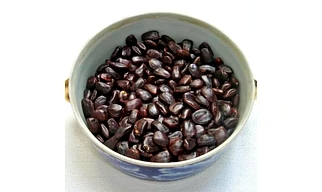
Tamarind seeds
Tamarind Seed's Properties and Uses:
- Antiviral Potential: Research from the Indian Institute of Technology Roorkee suggests anti-viral properties in tamarind seeds, potentially beneficial for developing medications against diseases like chikungunya.
- Dental Benefits: Tamarind seed powder serves as a teeth cleaner, removing nicotine deposits, tartar, and plaque.
- Protective Effects: Protects against intestinal and urinary tract infections and supports pancreatic health, potentially enhancing insulin production.
- Nutrient Content: Contains potassium, phosphorus, magnesium, calcium, amino acids, and various vitamins; beneficial for individuals dealing with hypertension.
- Bile Production Boost: Tamarind seed juice can enhance bile production.
- Cosmetic and Pharmaceutical Use: Extracts from tamarind seeds contain Xyloglycans, utilized in numerous cosmetics and pharmaceutical products.
- Anti-inflammatory Properties: Helps alleviate joint pains due to its anti-inflammatory characteristics.
- Health Caution: Advisable to consult a doctor before using tamarind seeds for managing health conditions despite their potential health benefits.

Mangoes
Mangoes are sweet, juicy fruits with a tropical flavor and vibrant color. Perfect for snacking, desserts, or smoothies, they offer rich taste and high nutritional value. Mangoes: High in vitamins (C, A, B6, K), minerals, and fiber.
- Source of both soluble and insoluble fiber
- Nutrient-rich: Contains proteins, carbs, fats, copper, folate, vitamin E, niacin, potassium, magnesium
- Important during pregnancy for healthy fetal growth
- Delicious and versatile in various dishes
- Moderation advised due to the higher sugar content compared to some fruits
- Enjoy in moderation and explore different ways to incorporate into meals, such as smoothies and diverse recipes.