
Our Products
Latest
Name (A-Z)
Name (Z-A)
Showing 1-10 of 10 products


Medical Equipment
Medical equipment refers to a broad range of devices and instruments used in the diagnosis, monitoring, and treatment of medical conditions. This category includes diagnostic machines like X-ray and MRI scanners, therapeutic devices such as infusion pumps and ventilators, and monitoring equipment like ECG machines and blood pressure monitors. These devices are integral to modern healthcare, enabling accurate diagnosis, effective treatment, and continuous patient monitoring. The development and manufacturing of medical equipment involve advanced technology and strict regulatory compliance to ensure safety, reliability, and efficacy. Regular maintenance and calibration are essential to maintain their performance and extend their lifespan. The integration of digital technologies and connectivity features in medical equipment has further enhanced patient care by enabling remote monitoring and data analysis.
Price on Request
1 unit
MOQ
Surgical Instruments
Surgical instruments are specialized tools used by medical professionals during surgical procedures to perform specific actions, such as cutting, dissecting, grasping, holding, retracting, or suturing. These instruments are crafted from high-quality materials like stainless steel to ensure durability, resistance to corrosion, and ease of sterilization. The design and functionality of each instrument are tailored to meet the precise requirements of various surgical tasks. Common types of surgical instruments include scalpels, forceps, scissors, retractors, and clamps. Each plays a critical role in ensuring the success and safety of surgical interventions. Proper maintenance, sterilization, and handling of these instruments are essential to prevent infections and ensure optimal performance. Advances in medical technology have led to the development of more sophisticated instruments, including minimally invasive and robotic-assisted surgical tools, enhancing precision and patient outcomes.
Price on Request
1 unit
MOQ
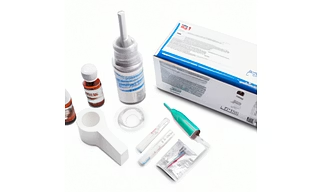
Medical Diagnostic Kits
Medical diagnostic kits are essential tools used in healthcare settings to detect and monitor various health conditions. These kits typically include reagents, control materials, and instructions necessary for conducting specific tests. They are designed for ease of use, providing rapid and accurate results, which are crucial for timely diagnosis and treatment. Diagnostic kits can range from simple home-use tests, such as pregnancy or glucose monitoring kits, to more complex laboratory-based assays for detecting infectious diseases, hormonal imbalances, or genetic conditions. The quality and reliability of these kits are paramount, as they directly impact patient care and outcomes. Manufacturers adhere to stringent regulatory standards to ensure the safety and efficacy of these products. Continuous advancements in biotechnology have led to the development of more sophisticated diagnostic kits, offering higher sensitivity and specificity, thereby enhancing the overall diagnostic process.
Price on Request
1 unit
MOQ
Pharmaceutical Tablets
Pharmaceutical tablets are solid dosage forms of medication, designed for oral administration. They are one of the most common and convenient methods of delivering drugs to patients. Tablets are formulated to provide precise dosages, ensuring consistent therapeutic effects. They can be manufactured in various shapes, sizes, and colors, often with specific coatings to control the release of the active ingredient, enhance stability, or mask unpleasant tastes. The production of pharmaceutical tablets involves meticulous processes, including granulation, compression, and coating, all conducted under strict quality control measures to ensure safety, efficacy, and uniformity. Tablets may contain a single active ingredient or a combination of drugs to treat various health conditions. They are typically packaged in blister packs or bottles to protect them from environmental factors and to maintain their integrity until consumption. Proper storage and handling are essential to preserve their effectiveness over time.
Price on Request
1 unit
MOQ
Medical Disposables
Medical disposables are single-use products used in healthcare settings to prevent cross-contamination and ensure patient safety. These items are designed for one-time use and are disposed of after use, eliminating the need for sterilization and reducing the risk of infection transmission. Common medical disposables include syringes, gloves, masks, gowns, drapes, and catheters. They are manufactured under strict quality control standards to ensure they meet safety and efficacy requirements. The use of medical disposables has become increasingly prevalent, especially in procedures requiring high sterility levels. Their convenience and effectiveness make them indispensable in modern medical practice. Proper disposal and management of medical waste are crucial to minimize environmental impact and adhere to regulatory guidelines.
Price on Request
1 unit
MOQ
Hospital Furniture
Hospital furniture encompasses a wide range of equipment designed to support patient care and enhance the functionality of healthcare facilities. This includes hospital beds, examination tables, chairs, stretchers, bedside lockers, and overbed tables. These pieces are engineered for durability, comfort, and ease of use, catering to the needs of both patients and healthcare providers. High-quality materials and ergonomic designs are employed to ensure patient safety, facilitate medical procedures, and promote efficient workflow within medical environments. Features such as adjustable heights, mobility, and easy-to-clean surfaces are common to accommodate various medical requirements and maintain hygiene standards. The selection of appropriate hospital furniture is crucial in creating a conducive environment for patient recovery and effective healthcare delivery.
Price on Request
1 unit
MOQ
Laboratory Equipment
Laboratory equipment comprises a variety of tools and instruments used in scientific research, diagnostics, and educational settings to conduct experiments, analyze samples, and perform measurements. This includes microscopes, centrifuges, spectrophotometers, incubators, and autoclaves. High-quality laboratory equipment is essential for obtaining accurate and reproducible results, which are critical in research and clinical diagnostics. The design and functionality of these instruments are tailored to meet specific scientific requirements, ensuring precision and reliability. Proper maintenance, calibration, and adherence to safety protocols are vital to ensure the longevity and optimal performance of laboratory equipment. Advances in technology have led to the development of more sophisticated and automated instruments, enhancing efficiency and expanding the capabilities of modern laboratories.
Price on Request
1 unit
MOQ
Dental Instruments
Dental instruments are specialized tools used by dental professionals to perform various procedures related to oral health. These instruments include diagnostic tools like mirrors and probes, surgical instruments such as forceps and scalpels, and restorative tools like drills and polishers. They are designed for precision and ease of use, enabling dentists to diagnose, treat, and prevent dental conditions effectively. High-quality materials like stainless steel are commonly used to manufacture dental instruments, ensuring durability and resistance to corrosion. Proper sterilization and maintenance of these instruments are essential to prevent cross-contamination and ensure patient safety. Advances in dental technology have led to the development of more ergonomic and efficient instruments, enhancing the quality of dental care provided to patients.
Price on Request
1 unit
MOQ
Physiotherapy Equipment
Physiotherapy equipment encompasses a range of devices and tools used by physical therapists to aid in the rehabilitation and treatment of patients with physical impairments or disabilities. This includes exercise machines, electrotherapy devices, ultrasound machines, and therapeutic aids like resistance bands and balance balls. These tools are designed to assist in improving mobility, strength, and function, as well as to alleviate pain and prevent further injury. The selection of appropriate physiotherapy equipment is tailored to each patient's specific needs and treatment goals. Proper use and maintenance of this equipment are essential to ensure safety and effectiveness. Advances in technology have led to the development of more sophisticated physiotherapy devices, offering enhanced features and capabilities to support comprehensive rehabilitation programs.
Price on Request
1 unit
MOQ

 GL Trustmark