
Our Products
Latest
Name (A-Z)
Name (Z-A)
Showing 1-24 of 31 products
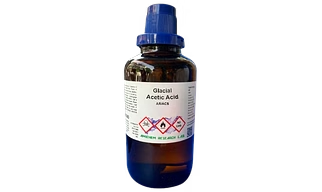
ACETIC ACID
Acetic Acid (CH₃COOH)
Overview:
Acetic Acid, also known as ethanoic acid, is an organic compound with the chemical formula CH₃COOH. It is a colorless liquid with a strong, pungent smell. Acetic acid is a key ingredient in vinegar, which contains approximately 5-8% acetic acid by volume, making it a vital component in the food industry. Additionally, acetic acid is widely used in various industrial applications due to its versatility and reactivity.
Key Properties:
Chemical Formula: CH₃COOH
Molecular Weight: 60.05 g/mol
Appearance: Colorless liquid
Odor: Strong, pungent
Density: 1.049 g/cm³ (at 20°C)
Melting Point: 16.6°C
Boiling Point: 118.1°C
Solubility: Miscible with water, ethanol, glycerol, and ether
Applications:
Food Industry: Used as a preservative, flavoring agent, and in the production of vinegar.
Chemical Industry: Acts as a key intermediate in the manufacture of various chemicals such as acetic anhydride, acetate esters, and acetic acid salts.
Textile Industry: Employed in the dyeing and printing of textiles.
Pharmaceuticals: Utilized in the production of synthetic drugs and as a solvent in various pharmaceutical processes.
Plastics and Polymers: Integral in the production of polyethylene terephthalate (PET), which is used in plastic bottles and containers.
Household: Found in various cleaning agents due to its antibacterial properties.
Safety and Handling:
Hazards: Acetic acid is corrosive and can cause severe burns upon contact with skin and eyes. Inhalation of vapors can cause respiratory irritation.
Precautions: Use appropriate personal protective equipment (PPE) such as gloves, goggles, and face shields when handling acetic acid. Ensure adequate ventilation in the working area.
Storage: Store in a cool, dry place away from incompatible substances such as oxidizing agents and strong bases. Keep containers tightly closed when not in use.
Packaging:
Acetic acid is available in various packaging options to meet different industrial needs. Common packaging includes:
25 kg plastic drums
200 kg steel drums
Bulk tankers for large-scale industrial use
Why Choose Us:
At Opulent International, we provide high-purity acetic acid that meets stringent industry standards. Our acetic acid is sourced from reputable manufacturers and undergoes rigorous quality control to ensure consistency and reliability. We offer competitive pricing, timely delivery, and exceptional customer service to meet the diverse needs of our clients worldwide.
Price on Request
25 Metric Tons
MOQ
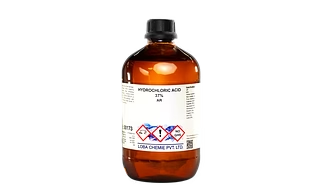
HYDROCHLORIC ACID
Hydrochloric Acid (HCl)
Overview
Hydrochloric Acid (HCl) is a highly corrosive, strong mineral acid with numerous industrial applications. It is a clear, colorless solution of hydrogen chloride in water, and is commonly found in concentrations ranging from 30% to 38%.
Chemical Properties
Chemical Formula: HCl
Molecular Weight: 36.46 g/mol
Appearance: Colorless to slightly yellow liquid
Odor: Pungent, irritating odor
Density: 1.18 g/cm³ (at 25°C for a 37% solution)
Melting Point: -27.32°C (for a 37% solution)
Boiling Point: 110°C (for a 37% solution)
Solubility: Completely miscible with water
Applications
Hydrochloric Acid is used in various industries for multiple applications, including:
Chemical Industry:
Production of chlorides, fertilizers, and dyes
pH control and neutralization processes
Food Industry:
Processing of food products (e.g., as an acidifier in sauces, vegetables, and canned goods)
Production of high-fructose corn syrup
Steel Industry:
Pickling of steel to remove rust or iron oxide scales from iron or steel before further processing
Water Treatment:
Regulation of pH levels in water treatment plants
Removal of impurities and adjustment of the pH in swimming pools
Mining:
Extraction of ores in the mining industry
Leather Processing:
Used in the tanning process for leather
Safety and Handling
Hydrochloric Acid is a highly corrosive substance and must be handled with care:
Personal Protective Equipment (PPE): Use appropriate PPE, including gloves, goggles, and protective clothing.
Storage: Store in a cool, well-ventilated area away from incompatible materials such as alkalis and metals.
First Aid Measures: In case of contact, rinse immediately with plenty of water and seek medical advice.
Packaging
We offer Hydrochloric Acid in various packaging options to suit different industrial needs:
Drums: 25 kg, 50 kg, and 200 kg
IBC Tanks: 1000 kg
Bulk: Available on request
Quality Assurance
Our Hydrochloric Acid is produced under strict quality control measures to ensure the highest purity and consistency, meeting industry standards and regulatory requirements.
Price on Request
25 Metric Tons
MOQ
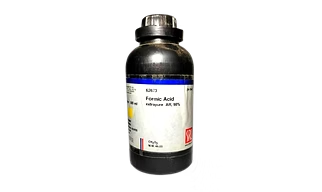
FORMIC ACID
Formic Acid
Chemical Formula: CH₂O₂
CAS Number: 64-18-6
Description:
Formic acid, also known as methanoic acid, is a colourless liquid with a pungent odour. It is the simplest carboxylic acid and occurs naturally in some ant species and plants. Formic acid is highly soluble in water and various solvents, making it a versatile chemical in various industrial applications.
Key Specifications:
Purity: 85-99% (based on grade)
Molecular Weight: 46.03 g/mol
Boiling Point: 100.8°C
Melting Point: 8.4°C
Density: 1.220 g/cm³
Applications:
Textile Industry:
Used in dyeing and finishing of textiles.
Acts as a mordant to improve dye adherence.
Leather Industry:
Employed in the tanning process.
Helps in pH regulation during leather processing.
Agriculture:
Used as a preservative and antibacterial agent in livestock feed.
Plays a role in silage production by preventing spoilage.
Chemical Synthesis:
Intermediate in the production of various chemicals.
Utilized in the manufacturing of esters, formates, and other compounds.
Rubber Industry:
Coagulating agent for rubber latex.
Enhances the quality of natural rubber products.
Food Industry:
Approved as a food additive (E236) in some regions.
Acts as a preservative to inhibit microbial growth.
Safety and Handling:
Formic acid is corrosive and can cause burns upon contact with skin or eyes.
Proper protective equipment, such as gloves and goggles, should be worn when handling.
Adequate ventilation is necessary to avoid inhalation of vapours.
Packaging Options:
Available in 25 kg drums, 250 kg IBC tanks, and bulk tankers.
Custom packaging options available upon request.
Storage:
Store in a cool, dry, and well-ventilated area away from incompatible substances.
Keep containers tightly closed to prevent contamination and evaporation.
Regulatory Information:
Complies with relevant industry standards and regulations.
Safety Data Sheet (SDS) available upon request.
Price on Request
25 Unit
MOQ
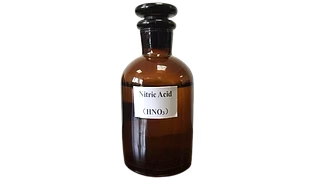
NITRIC ACID
Nitric Acid (HNO₃)
Overview:
Nitric Acid, also known as Aqua Fortis or Spirit of Niter, is a highly corrosive mineral acid and a key chemical in various industrial processes. It is widely used for its powerful oxidizing properties and plays a crucial role in the manufacturing of fertilizers, explosives, and other chemicals.
Chemical Formula:
HNO₃
Properties:
Appearance: Colorless to yellow liquid
Density: 1.51 g/cm³
Boiling Point: 83°C (181°F)
Melting Point: -42°C (-44°F)
Solubility: Highly soluble in water
Applications:
Fertilizers:
The primary component in the production of ammonium nitrate, a key fertilizer.
Explosives:
Used in the manufacture of explosives such as nitroglycerin and TNT (trinitrotoluene).
Chemical Synthesis:
Integral in the production of various organic and inorganic compounds.
Metallurgy:
Employed in the purification and etching of metals.
Dye and Pigment Manufacturing:
Used in the production of dyes and pigments.
Laboratory Use:
Common reagent in laboratories for chemical analysis and reactions.
Safety Information:
Hazard Classification: Corrosive, Oxidizing
Precautions:
Use protective gear (gloves, goggles, and appropriate clothing).
Handle in a well-ventilated area to avoid inhalation of fumes.
Store in a cool, dry place away from incompatible materials such as organic substances and reducing agents.
Packaging and Delivery:
Available in various quantities ranging from small laboratory bottles to large industrial drums.
Packaging options ensure safe transport and storage, adhering to international safety standards.
Quality Assurance:
At Opulent International, we ensure that our nitric acid meets the highest quality standards. Our rigorous testing and quality control processes guarantee that you receive a product that is both pure and effective for your specific needs..
Price on Request
25 Metric Tons
MOQ
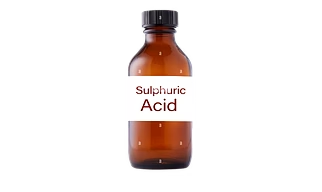
SULPHURIC ACID
Sulphuric Acid
Overview
Sulphuric Acid (H₂SO₄) is a highly versatile and widely used chemical in various industries. Known for its strong acidic nature, it is essential in numerous industrial processes.
Chemical Properties
Molecular Formula: H₂SO₄
Molar Mass: 98.08 g/mol
Appearance: Colorless to slightly yellow liquid
Density: 1.84 g/cm³ (at 25°C)
Boiling Point: 337°C
Melting Point: 10°C
Solubility: Highly soluble in water, exothermic reaction
Applications
Fertilizer Production: Primarily used in the production of phosphate fertilizers.
Chemical Manufacturing: Key ingredient in the production of chemicals such as hydrochloric acid, nitric acid, sulfate salts, synthetic detergents, dyes, and pigments.
Petroleum Refining: Used to remove impurities from refined petroleum products.
Metal Processing: Employed in the extraction and purification of non-ferrous metals.
Batteries: Essential component in lead-acid batteries for vehicles.
Textile Industry: Utilized in dyeing and bleaching processes.
Water Treatment: Used in pH adjustment and water purification.
Safety and Handling
Corrosive: Causes severe burns upon contact with skin or eyes.
Protective Gear: Use of gloves, goggles, and acid-resistant clothing is mandatory.
Storage: Store in a cool, dry, well-ventilated area away from incompatible substances such as organic materials, chlorates, carbides, fulminates, water, and powdered metals.
First Aid Measures: In case of contact, immediately flush the affected area with plenty of water. Seek medical attention if necessary.
Packaging
Containers: Available in various packaging options including drums, IBC totes, and bulk tankers.
Labeling: Proper labeling as per international regulations, including hazard symbols and safety information.
Quality Standards
Our Sulphuric Acid meets rigorous industry standards to ensure high purity and consistency. It is manufactured under stringent quality control processes to guarantee optimal performance for all applications.
Why Choose Opulent International?
High Purity: Our Sulphuric Acid is of the highest quality, ensuring efficient and reliable performance in all industrial applications.
Competitive Pricing: We offer competitive prices without compromising on quality.
Expertise: With years of experience in chemical exports, we provide unmatched expertise and support to our clients.
Global Reach: Our extensive logistics network ensures timely delivery to clients worldwide.
Price on Request
25 Metric Tons
MOQ
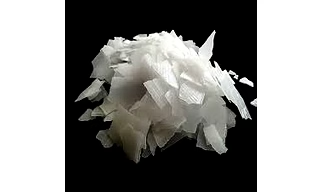
CAUSTIC SODA FALX
Caustic Soda Flakes
Product Overview:
Caustic Soda Flakes, also known as sodium hydroxide flakes, are a highly versatile industrial chemical used in various applications. They are known for their high purity, consistency, and effective performance in diverse industrial processes.
Chemical Formula: NaOH
Physical Properties:
Appearance: White, opaque flakes
Solubility: Highly soluble in water, exothermic reaction
Density: Approximately 2.13 g/cm³
Melting Point: 318°C (604°F)
Boiling Point: 1,388°C (2,530°F)
Applications:
Chemical Manufacturing: Used as a key ingredient in the production of various chemicals such as solvents, plastics, synthetic fibers, bleach, soaps, and detergents.
Textile Industry: Employed in the process of mercerizing cotton, improving dye absorption, and fabric finishing.
Pulp and Paper Industry: Essential in the pulping process to separate lignin from cellulose fibers, and in paper bleaching.
Water Treatment: Utilized for pH regulation, neutralization of acidic water, and the removal of heavy metals and impurities.
Petroleum Industry: Applied in refining processes, including the removal of sulfur compounds from oil and gas.
Food Industry: Approved for use in the peeling of fruits and vegetables, cocoa processing, and as a cleaning agent for equipment.
Packaging:
Available in 25 kg HDPE bags with inner lining
Bulk packaging options available upon request
Safety and Handling:
Personal Protection: Use appropriate protective clothing, gloves, and eye protection.
Storage: Store in a cool, dry place, away from acids and moisture. Ensure containers are tightly closed to prevent contamination.
First Aid: In case of contact with skin or eyes, rinse immediately with plenty of water and seek medical advice. If ingested, do not induce vomiting; seek medical assistance immediately.
Quality Assurance:
At Opulent International, we ensure that our caustic soda flakes meet the highest quality standards. Our product undergoes rigorous testing to guarantee its purity and effectiveness, making it suitable for a wide range of industrial applications.
Price on Request
25 Metric Tons
MOQ
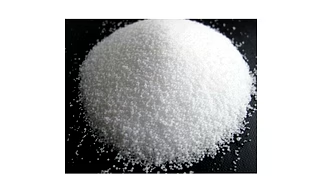
CAUSTIC SODA PRILLS
Caustic Soda Prills
Description:
Caustic Soda Prills, also known as Sodium Hydroxide (NaOH) prills, are white, solid spherical beads. They are highly soluble in water, exothermically dissolving to produce a significant amount of heat. Caustic Soda Prills are a versatile industrial chemical widely used in various applications due to their strong alkaline properties.
Chemical Formula: NaOH
CAS Number: 1310-73-2
Applications:
Chemical Manufacturing: Used as a raw material in the production of various chemicals including detergents, dyes, and pharmaceuticals.
Water Treatment: Employed in water treatment facilities to control pH levels and remove heavy metals from water.
Textile Industry: Used in the processing of cotton and synthetic fibers.
Paper and Pulp Industry: Integral in the pulping and bleaching process.
Soap and Detergent Production: Essential for saponification in soap making and as an ingredient in detergents.
Food Industry: Used as a cleaning agent and in the processing of certain foods, such as peeling fruits and vegetables.
Petroleum Industry: Utilized in oil refining to remove acidic contaminants.
Packaging:
Caustic Soda Prills are typically packaged in:
25 kg polypropylene bags with inner polyethylene lining.
Jumbo bags (500 kg to 1000 kg) for bulk requirements.
Safety and Handling:
Hazards: Caustic Soda Prills are highly corrosive and can cause severe burns upon contact with skin and eyes. Inhalation of dust can cause respiratory irritation.
Precautions: Use personal protective equipment (PPE) such as gloves, goggles, and protective clothing when handling. Ensure proper ventilation in work areas.
First Aid: In case of contact, rinse immediately with plenty of water and seek medical advice.
Storage:
Store in a cool, dry, and well-ventilated area.
Keep containers tightly closed and away from moisture.
Segregate from acids and other incompatible materials.
Quality Assurance:
Our Caustic Soda Prills meet the highest industry standards, ensuring consistent quality and performance. Each batch undergoes rigorous testing to guarantee purity and efficacy.
Why Choose Opulent International?
Top-Quality Products: We source our Caustic Soda Prills from reputable manufacturers, ensuring superior quality.
Competitive Pricing: We offer competitive prices without compromising on quality.
Reliable Supply Chain: With robust logistics and supply chain management, we ensure timely delivery.
Customer Support: Our dedicated customer service team is always ready to assist with any inquiries or requirements.
Price on Request
25 Metric Tons
MOQ
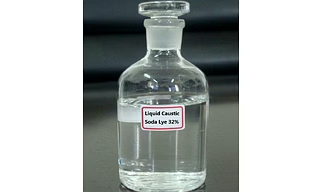
CAUSTIC SODA LYE
Caustic Soda Lye
Product Overview:
Caustic Soda Lye, also known as Sodium Hydroxide (NaOH), is a highly versatile and widely used industrial chemical. It is a strong alkali and is available in liquid form. Our Caustic Soda Lye is produced to the highest standards, ensuring top quality and reliability for various applications.
Chemical Formula: NaOH
Molecular Weight: 40.00 g/mol
Appearance: Clear, colorless liquid
Concentration: Typically available in concentrations ranging from 30% to 50%
CAS Number: 1310-73-2
Applications:
Chemical Manufacturing: Used as a key raw material in the production of various chemicals such as solvents, plastics, synthetic fibers, bleach, soaps, and detergents.
Water Treatment: Employed in the treatment of water to adjust pH levels and in the purification of drinking water.
Textile Industry: Utilized in the mercerization process of cotton and in dyeing and bleaching operations.
Paper and Pulp Industry: Integral in the pulping and bleaching processes.
Petroleum Industry: Used in refining processes and in the removal of acidic contaminants from oil.
Food Industry: Approved for use in food processing, particularly for peeling fruits and vegetables, and in chocolate and cocoa processing.
Safety and Handling:
Caustic Soda Lye is a highly corrosive substance. Proper safety measures should be followed to avoid skin and eye contact. Always use personal protective equipment (PPE) such as gloves, goggles, and protective clothing when handling the product. In case of contact, rinse immediately with plenty of water and seek medical attention.
Packaging:
Our Caustic Soda Lye is available in various packaging options to suit different industrial needs, including:
Drums
IBC totes
Bulk tankers
Storage:
Store in a cool, dry, well-ventilated area away from incompatible substances such as acids and organic materials. Ensure containers are tightly sealed to prevent leaks and contamination.
Quality Assurance:
At Opulent International, we ensure that our Caustic Soda Lye meets rigorous quality standards. Our product is manufactured under strict quality control procedures to guarantee high purity and consistency.
Price on Request
25 Metric Tons
MOQ
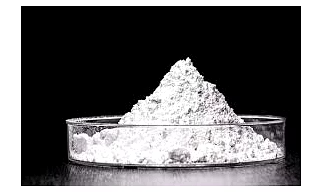
SODA ASH LIGHT
SODA ASH LIGHT
Product Overview
Soda Ash Light, also known as sodium carbonate (Na2CO3), is a versatile, high-purity, and fine-grained chemical with a wide range of applications. It is a vital raw material used in various industries due to its unique chemical properties.
Key Specifications
Chemical Formula: Na2CO3
CAS Number: 497-19-8
Appearance: White, fine granular powder
Purity: ≥ 99.2%
Bulk Density: 500-600 kg/m³
pH (1% Solution): 11.3
Applications
Glass Manufacturing: Soda Ash Light is a key ingredient in the production of glass. It acts as a fluxing agent to reduce the melting point of silica, facilitating the formation of glass.
Detergents and Soaps: It is widely used in the production of detergents and soaps due to its effectiveness as a water softener and its ability to enhance cleaning performance.
Chemicals Production: Soda Ash Light is used as a raw material in the manufacture of various chemicals, including sodium silicates and sodium bicarbonate.
Pulp and Paper Industry: It is utilized in the pulping process to extract lignin from wood chips, aiding in the production of paper.
Textile Industry: Soda Ash Light is employed in the textile industry for dyeing and processing cotton fabrics.
Water Treatment: It is used to soften water by removing calcium and magnesium ions, preventing scale formation in boilers and other equipment.
Food Industry: As a food additive, it acts as a pH regulator and stabilizer in the manufacturing of certain food products.
Benefits
High Purity: Ensures consistent quality and performance across applications.
Cost-Effective: Offers a cost-effective solution for various industrial processes.
Versatile Applications: Suitable for a wide range of industries and uses.
Eco-Friendly: Non-toxic and environmentally friendly, making it safe for various applications.
Packaging
Soda Ash Light is available in various packaging options to suit your needs:
25 kg Bags
50 kg Bags
Bulk Packaging
Safety and Handling
Storage: Store in a cool, dry place away from moisture.
Handling: Use appropriate personal protective equipment (PPE) such as gloves and safety goggles when handling.
Safety: Avoid inhalation and contact with eyes. In case of contact, rinse thoroughly with water.
Price on Request
25 Metric Tons
MOQ
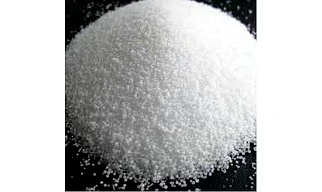
SODA ASH DENSE
Soda Ash Dense
Overview
Soda Ash Dense, also known as Sodium Carbonate (Na2CO3), is a white, odorless, and water-soluble compound with a wide range of industrial applications. It is produced by refining naturally occurring trona ores or by the Solvay process, which involves the chemical reaction of sodium chloride, ammonia, and carbon dioxide in water.
Key Properties
Chemical Formula: Na2CO3
Molecular Weight: 105.99 g/mol
Appearance: White, granular or powder
Density: 2.533 g/cm³
Solubility: Soluble in water, forming an alkaline solution
Applications
Soda Ash Dense is a versatile industrial chemical used in various applications, including:
Glass Manufacturing:
Acts as a fluxing agent to lower the melting point of silica, reducing energy consumption.
Used in the production of flat glass, container glass, and fiberglass.
Detergents and Soaps:
Serves as a key ingredient in the manufacture of detergents and soaps.
Enhances cleaning efficiency by softening water and removing grease and oil stains.
Chemical Industry:
Used as a raw material in the production of sodium compounds such as sodium silicates and sodium phosphates.
Employed in pH regulation and neutralization processes.
Water Treatment:
Utilized in water treatment plants to soften water by removing calcium and magnesium ions.
Helps maintain pH balance in swimming pools.
Pulp and Paper Industry:
Acts as a buffering agent in pulping processes.
Used in the extraction of lignin and other impurities from cellulose fibers.
Textile Industry:
Employed in the dyeing and bleaching processes to enhance the effectiveness of dyes and chemicals.
Used for pH control in various textile processing stages.
Advantages
High Purity: Ensures consistent quality and performance in industrial applications.
Cost-Effective: Economical alternative for many chemical processes.
Environmentally Friendly: Non-toxic and does not produce harmful by-products.
Packaging and Storage
Packaging: Available in 25 kg bags, 50 kg bags, and bulk shipments.
Storage: Should be stored in a cool, dry place, away from moisture and incompatible substances.
Safety and Handling
Handle with care, using appropriate personal protective equipment (PPE) such as gloves and safety goggles.
Avoid inhalation, ingestion, or direct contact with skin and eyes.
In case of contact, rinse thoroughly with water and seek medical attention if necessary.
Price on Request
25 Metric Tons
MOQ
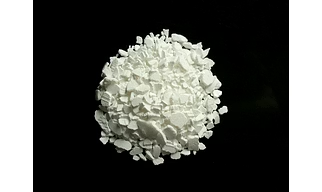
CALCIUM CHLORIDE
Calcium Chloride (CaCl₂)
Description:
Calcium Chloride is a highly versatile chemical compound with the formula CaCl₂. It appears as a white crystalline solid at room temperature and is highly soluble in water. Known for its hygroscopic nature, Calcium Chloride can absorb moisture from the environment, making it an essential component in various industrial applications.
Applications:
De-icing and Dust Control:
Used extensively for road de-icing in winter.
Effective in controlling dust on unpaved roads and construction sites.
Industrial Use:
In the oil and gas industry, it is used in drilling fluids and completion fluids to enhance their density.
Utilized in concrete acceleration to speed up the setting process, especially in cold weather.
Food Industry:
Acts as a firming agent in canned vegetables and fruits.
Used in the production of cheese, beer, and as a pickling agent.
Water Treatment:
Employed in water treatment plants for the removal of impurities and as a pH stabilizer.
Agriculture:
Serves as a soil conditioner to improve soil structure and plant growth.
Used as a foliar spray to provide calcium nutrition to crops.
Properties:
Chemical Formula: CaCl₂
Molecular Weight: 110.98 g/mol
Appearance: White crystalline solid
Solubility: Highly soluble in water
Melting Point: 772 °C
Boiling Point: >1600 °C (sublimes)
Safety and Handling:
Storage: Store in a tightly sealed container in a cool, dry place. Protect from moisture.
Handling: Use appropriate personal protective equipment (PPE) including gloves and safety goggles. Avoid inhalation and contact with skin and eyes.
First Aid Measures:
Inhalation: Move to fresh air and seek medical attention if breathing becomes difficult.
Skin Contact: Rinse with plenty of water and seek medical advice if irritation persists.
Eye Contact: Rinse immediately with plenty of water for at least 15 minutes and seek medical advice.
Packaging:
Available in various packaging options including 25 kg bags, 500 kg jumbo bags, and bulk shipments to suit different industrial needs.
Quality Assurance:
Our Calcium Chloride is manufactured and tested under strict quality control standards to ensure the highest level of purity and performance.
Price on Request
25 Metric Tons
MOQ
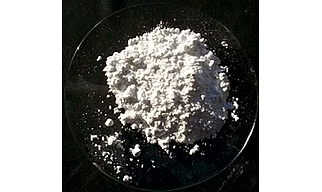
CALCIUM CARBONATE
Calcium Carbonate
Overview
Calcium Carbonate (CaCO₃) is a naturally occurring mineral found in rocks, and it is the main component of shells of marine organisms, snails, pearls, and eggshells. It is a white, odorless powder or colorless crystals, widely used in various industries due to its versatile properties.
Applications
Construction:
Cement Production: Used as a primary raw material in the manufacturing of cement.
Building Materials: Integral in the production of lime, a key ingredient in plaster, mortar, and stucco.
Plastics:
Acts as a filler to improve the mechanical properties and thermal stability of plastic products.
Reduces the cost of production by partially replacing more expensive resins.
Paper Industry:
Used as a filler to produce a smoother writing surface.
Enhances the brightness and opacity of paper.
Paints and Coatings:
Functions as a white pigment and extender.
Improves the opacity and glossiness of paints.
Agriculture:
Serves as a soil conditioner and pH balancer.
Provides essential calcium for plant growth.
Food and Pharmaceuticals:
Utilized as a dietary calcium supplement.
Acts as an antacid in medicinal formulations.
Used as a stabilizer and a fortifying agent in various food products.
Technical Specifications
Chemical Formula: CaCO₃
Appearance: Fine white powder or crystalline
Molecular Weight: 100.09 g/mol
Density: 2.71 g/cm³
Melting Point: 825°C (decomposes)
Solubility: Insoluble in water; soluble in acids
Grades Available
Industrial Grade:
Used in construction, plastics, and paints.
High purity and consistency for manufacturing purposes.
Food Grade:
Meets stringent quality standards.
Safe for consumption in food and pharmaceutical applications.
Agricultural Grade:
Tailored for use in soil conditioning and animal feed.
Enhances soil quality and provides essential nutrients.
Safety and Handling
Storage: Store in a cool, dry place away from moisture.
Handling: Use appropriate personal protective equipment (PPE) such as gloves and masks to avoid inhalation or skin contact.
First Aid: In case of contact with eyes or skin, rinse thoroughly with water. Seek medical attention if necessary.
Why Choose Opulent International's Calcium Carbonate?
High Purity: Our Calcium Carbonate is of the highest purity, ensuring optimal performance across various applications.
Consistent Quality: Stringent quality control measures ensure that each batch meets the required specifications.
Versatile Applications: Suitable for diverse industries including construction, plastics, paper, paints, agriculture, food, and pharmaceuticals.
Sustainable Sourcing: Our products are sourced responsibly with minimal environmental impact.
Price on Request
25 Metric Tons
MOQ
CALCIUM HYDROXIDE
Calcium Hydroxide (Ca(OH)₂)
Overview:
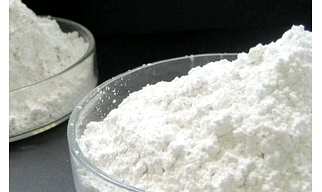
Calcium Hydroxide, also known as slaked lime or hydrated lime, is a white, powdery substance with a chemical formula Ca(OH)₂. It is produced by reacting quicklime (calcium oxide) with water, a process called slaking. Calcium Hydroxide is widely used in various industrial, environmental, and construction applications due to its alkaline properties and versatility.
Chemical Properties:
Chemical Formula: Ca(OH)₂
Molecular Weight: 74.09 g/mol
Appearance: White powder
Solubility: Slightly soluble in water, forming a solution known as limewater
pH: Alkaline (pH 12.4 in saturated solution)
Applications:
Construction:
Used in the preparation of mortar, plaster, and other building materials.
Acts as a key ingredient in whitewash and lime paints.
Enhances the durability and waterproofing of construction materials.
Water Treatment:
Utilized for water purification and softening.
Helps in the neutralization of acidic water and removal of impurities.
Used in the treatment of sewage and industrial wastewater.
Environmental:
Employed in flue gas desulfurization to reduce sulfur dioxide emissions from power plants.
Aids in the stabilization of contaminated soil and waste.
Chemical Industry:
Serves as a raw material in the production of various chemicals, such as calcium stearate and calcium hypochlorite.
Used in the refining of sugar and as a component in the production of plastics and rubber.
Agriculture:
Applied as a soil amendment to neutralize acidic soils and improve soil quality.
Enhances the availability of essential nutrients to plants.
Food Industry:
Approved for use as a food additive (E526) in the preparation of various food products.
Acts as a firming agent in canned vegetables and fruits.
Safety and Handling:
Precautions: Calcium Hydroxide is a caustic substance and can cause skin and eye irritation. It is important to handle it with proper protective equipment, including gloves and safety goggles.
Storage: Store in a cool, dry place away from acids and moisture. Keep containers tightly closed when not in use.
Packaging:
Available in various packaging options, including bags, drums, and bulk containers, to meet different customer requirements.
Quality Assurance:
At Opulent International, we ensure the highest quality standards for our Calcium Hydroxide products. Each batch undergoes rigorous testing to meet industry specifications and customer expectations.
Price on Request
25 Metric Tons
MOQ
CALCIUM NITRATE
Calcium Nitrate
Chemical Formula: Ca(NO₃)₂
Description:
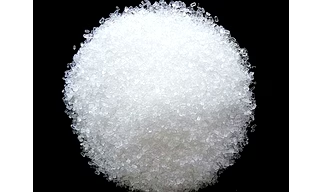
Calcium Nitrate is a versatile inorganic compound that appears as a colorless crystalline solid. Known for its hygroscopic nature, it is widely used in various industrial and agricultural applications.
Applications:
Agriculture:
Fertilizer: Calcium Nitrate is a highly efficient source of calcium and nitrogen for plants, promoting healthy growth and increasing yield. It is especially beneficial for crops such as tomatoes, apples, and lettuce.
Soil Amendment: It helps in improving soil structure and correcting calcium deficiencies in acidic soils.
Industrial:
Concrete Manufacturing: Used as a setting accelerator for concrete, enhancing strength and durability.
Wastewater Treatment: Effective in reducing odors and controlling the growth of microorganisms in wastewater treatment plants.
Explosives: Utilized in the manufacture of explosives due to its oxidizing properties.
Cooling Systems:
Corrosion Inhibitor: Acts as a corrosion inhibitor in closed-loop cooling systems, protecting metal components from rust and scale buildup.
Benefits:
Improves Crop Yield: Provides essential nutrients that enhance plant growth and fruit quality.
Versatile Applications: Its multifunctional use in agriculture, industry, and water treatment makes it a valuable chemical.
Eco-Friendly: A more environmentally friendly option compared to other nitrogen fertilizers, as it promotes efficient nutrient uptake by plants.
Specifications:
Appearance: White, crystalline solid
Purity: ≥ 99%
Solubility: Highly soluble in water
pH: 5-7 (10% solution)
Packaging:
Available in 25 kg, 50 kg bags, and bulk packaging options to meet various customer needs.
Safety and Handling:
Store in a cool, dry place away from incompatible substances.
Use appropriate protective equipment when handling.
Refer to the Safety Data Sheet (SDS) for detailed information on safety and handling practices.
Price on Request
25 Metric Tons
MOQ
SODIUM CHLORIDE
Sodium Chloride (NaCl)
Description:
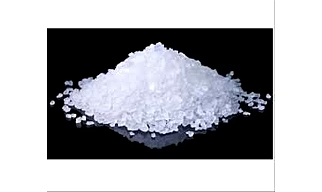
Sodium chloride, commonly known as salt, is an essential compound with numerous industrial, agricultural, and culinary applications. It appears as white crystalline granules or powder and is highly soluble in water. Sodium chloride is used extensively in food seasoning, preservation, de-icing roads, water conditioning, and various industrial processes.
Applications:
Food Industry: Used as a seasoning and preservative in cooking and food processing.
De-icing: Applied on roads and sidewalks to melt ice and snow during winter.
Water Conditioning: Used in water softening processes to remove calcium and magnesium ions.
Industrial Uses: Employed in the production of chemicals, detergents, and in metal processing.
Medical Uses: Utilized in saline solutions for intravenous therapy and wound cleaning.
Agriculture: Used as a mineral supplement for livestock and in soil treatment.
Physical and Chemical Properties:
Chemical Formula: NaCl
Molecular Weight: 58.44 g/mol
Appearance: White crystalline granules or powder
Solubility: Highly soluble in water
Melting Point: 801°C (1474°F)
Boiling Point: 1413°C (2575°F)
Density: 2.165 g/cm³
Packaging Details:
Sodium chloride is available in various packaging options to cater to different customer needs. Our packaging ensures product integrity, safety, and ease of handling.
Small Bags:
Weight: 1 kg, 2 kg, 5 kg, 10 kg
Material: High-density polyethylene (HDPE) or laminated polypropylene (PP)
Features: Moisture-resistant, easy to carry, resealable for convenience
Medium Bags:
Weight: 25 kg, 50 kg
Material: Laminated polypropylene (PP) or woven HDPE
Features: Durable, tear-resistant, suitable for industrial and commercial use
Bulk Packaging:
Weight: 500 kg, 1000 kg (1 metric ton)
Material: Jumbo bags (FIBCs - Flexible Intermediate Bulk Containers) made from woven polypropylene
Features: Ideal for large-scale industrial applications, equipped with lifting loops for easy handling
Custom Packaging:
We offer customized packaging solutions tailored to specific customer requirements, ensuring optimal storage and transport conditions.
Storage and Handling:
Storage: Store in a cool, dry place away from moisture to prevent clumping and degradation.
Handling: Use appropriate protective equipment to avoid inhalation and contact with skin and eyes.
Safety Information:
Hazards: Sodium chloride is generally safe; however, excessive inhalation of dust can cause respiratory irritation.
First Aid: In case of contact with eyes, rinse immediately with plenty of water. If inhaled, move to fresh air. Seek medical attention if any adverse effects occur.
Regulatory Compliance: Our sodium chloride complies with relevant safety and quality standards, ensuring it is suitable for all intended applications.
Price on Request
25 Metric Tons
MOQ
MAGNESIUM CHLORIDE
Magnesium Chloride (MgCl2)
Description:
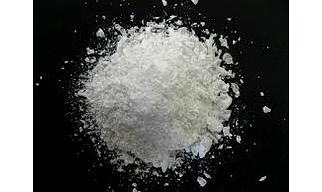
Magnesium chloride is an inorganic compound with the formula MgCl2. It is a white, crystalline salt that is highly soluble in water. It is derived from seawater or brine and can be found in various hydrated forms such as magnesium chloride hexahydrate (MgCl2·6H2O). Magnesium chloride is widely used in various industrial, agricultural, and pharmaceutical applications due to its versatility and effectiveness.
Chemical Formula: MgCl2
Common Uses:
De-icing and Dust Control: Magnesium chloride is widely used for de-icing roads, sidewalks, and other surfaces during winter. It is also effective for dust control on unpaved roads and construction sites.
Industrial Applications: It is used in the production of magnesium metal, as a coagulant in the preparation of tofu from soy milk, and as a catalyst in the production of various chemicals.
Agriculture: Magnesium chloride is used as a fertilizer to correct magnesium deficiencies in crops and soil.
Health and Wellness: It is used in bath salts, lotions, and supplements to aid in muscle relaxation, skin hydration, and as a source of dietary magnesium.
Water Treatment: It is utilized in wastewater treatment processes to remove impurities and improve water quality.
Packaging Details:
Magnesium chloride is available in various packaging options to meet the needs of different industries and applications. Common packaging options include:
25 kg Bags: These are high-quality, moisture-resistant bags suitable for easy handling and storage. They are commonly used for smaller-scale applications or retail purposes.
50 kg Bags: Larger bags for industrial applications, offering a balance between capacity and ease of handling.
Jumbo Bags (1,000 kg or 1 Ton): These bulk bags are ideal for large-scale industrial use, ensuring efficient transportation and storage for high-volume requirements.
Bulk Shipments: For very large industrial operations, magnesium chloride can be delivered in bulk via tanker trucks or in loose bulk shipments.
Storage and Handling:
Store in a cool, dry place away from moisture and direct sunlight.
Ensure that the packaging is tightly sealed to prevent the absorption of moisture, which can cause the product to clump or dissolve.
Use appropriate protective equipment, such as gloves and safety glasses, when handling magnesium chloride to avoid skin and eye irritation.
Safety Information:
Magnesium chloride is generally safe when handled properly. However, it can cause mild skin and eye irritation upon contact.
Inhalation of dust should be avoided by using proper ventilation and wearing a dust mask if necessary.
In case of contact with skin or eyes, rinse thoroughly with water and seek medical attention if irritation persists.
Price on Request
25 Metric Tons
MOQ
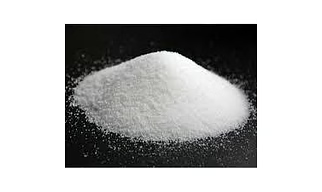
POTASSIUM CHLORIDE
Potassium Chloride
Product Description:
Potassium Chloride (KCl) is an inorganic salt consisting of potassium and chloride. It appears as a white or colorless crystalline solid or powder that is highly soluble in water. Potassium Chloride is widely used in various industries, including agriculture, pharmaceuticals, food processing, and chemical manufacturing.
Applications:
Agriculture: Potassium Chloride is predominantly used as a fertilizer to provide essential potassium nutrient for plant growth. It helps improve crop yield and quality by enhancing photosynthesis, water retention, and disease resistance.
Pharmaceuticals: Used in medical treatments to address potassium deficiency (hypokalemia). It's an essential electrolyte in intravenous and oral medications.
Food Processing: Functions as a salt substitute in low-sodium food products. It helps in the preservation and flavor enhancement of food items.
Chemical Manufacturing: Utilized in the production of various potassium compounds and in industrial processes such as electroplating.
Physical and Chemical Properties:
Molecular Formula: KCl
Molecular Weight: 74.55 g/mol
Appearance: White or colorless crystals
Solubility: Highly soluble in water
Melting Point: 770°C (1420°F)
Density: 1.98 g/cm³
Safety Information:
Hazard Statements: May cause eye and skin irritation. Ingestion in large amounts can lead to gastrointestinal upset and hyperkalemia.
Precautionary Measures: Use personal protective equipment (PPE) such as gloves and goggles. Ensure proper ventilation when handling large quantities. Store in a cool, dry place away from incompatible substances.
Packaging Details:
Standard Packaging Options:
25 kg Bags: High-quality, moisture-resistant polypropylene (PP) bags with inner polyethylene (PE) liners to prevent moisture ingress and contamination.
50 kg Bags: Durable PP bags with inner PE liners, suitable for bulk handling and transportation.
1000 kg Jumbo Bags (Bulk Bags): Made of woven PP fabric with PE liners, these bulk bags are ideal for large-scale industrial use, ensuring safe and efficient transport and storage.
Custom Packaging: Available upon request to meet specific customer requirements. Options include smaller packaging sizes, special labeling, and customized bag designs.
Palletizing: Bags can be palletized for ease of handling and to provide stability during transportation. Standard pallets are shrink-wrapped and strapped to prevent movement and damage.
Storage and Handling:
Storage Conditions: Store in a cool, dry place, away from direct sunlight and moisture. Keep the bags tightly sealed to prevent contamination and caking.
Handling Precautions: Use appropriate PPE when handling Potassium Chloride. Avoid inhalation of dust and direct contact with skin and eyes. Use in well-ventilated areas.
Quality Assurance:
Purity: High-purity Potassium Chloride with a minimum 99% KCl content.
Compliance: Manufactured and packaged in accordance with industry standards and regulations to ensure safety and quality.
Price on Request
25 Unit
MOQ
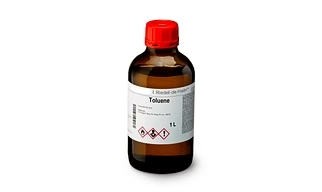
TOLUENE
Toluene
Description:
Toluene is a clear, colorless, and volatile liquid with a distinct aromatic odor. It is a widely used industrial solvent, essential in various chemical processes. Toluene is also a significant raw material in the production of benzene, xylene, and other chemical compounds.
Chemical Formula: C₇H₈
CAS Number: 108-88-3
Properties:
Boiling Point: 110.6 °C (231.1 °F)
Melting Point: -95 °C (-139 °F)
Density: 0.866 g/cm³ at 20 °C
Solubility: Insoluble in water, soluble in ethanol, ether, and benzene
Vapor Pressure: 28.4 mmHg at 25 °C
Flash Point: 4.4 °C (40 °F) (closed cup)
Appearance: Clear, colorless liquid
Odor: Aromatic, similar to paint thinners
Applications:
Solvent: Widely used in the production of paints, coatings, adhesives, inks, and cleaning agents.
Chemical Feedstock: Utilized in the manufacturing of benzene, xylene, and other aromatic hydrocarbons.
Fuel Additive: Occasionally added to gasoline to improve octane ratings and fuel efficiency.
Laboratory Reagent: Employed in various chemical synthesis processes in laboratories.
Safety Information:
Hazards: Toluene is highly flammable and poses health risks if inhaled or absorbed through the skin. Prolonged exposure can affect the central nervous system and cause respiratory and skin irritation.
Handling: Use protective gear, including gloves and goggles. Ensure good ventilation in work areas to avoid inhalation of vapors.
First Aid: In case of contact, wash the affected area with water. If inhaled, move to fresh air immediately and seek medical attention if symptoms persist.
Packaging Details:
Toluene is available in various packaging options to suit different industrial needs. The most common packaging types include:
Steel Drums:
Volume: 200 liters (55 gallons)
Material: High-grade steel with an anti-corrosive coating
Sealing: Tight-seal lids to prevent leakage and contamination
Usage: Ideal for bulk storage and transportation
IBC Totes (Intermediate Bulk Containers):
Volume: 1,000 liters (275 gallons)
Material: High-density polyethylene (HDPE) with a steel cage
Features: Stackable, durable, and equipped with valves for easy dispensing
Usage: Suitable for large-scale industrial applications
Small Containers:
Volume: 5 liters, 10 liters, 20 liters, 25 liters
Material: HDPE or metal cans
Sealing: Secure caps to prevent spills
Usage: Convenient for smaller-scale operations and laboratory use
Tankers:
Volume: Customized based on client requirements
Material: Stainless steel or specialized alloys
Features: Designed for safe transport of hazardous materials
Usage: Bulk transport over long distances
Storage and Handling:
Storage Conditions: Store in a cool, well-ventilated area away from heat sources and open flames. Ensure containers are tightly sealed when not in use.
Handling Precautions: Use proper personal protective equipment (PPE) and follow standard safety protocols to prevent accidents and exposure.
Regulatory Information:
UN Number: 1294
Hazard Class: 3 (Flammable liquids)
Packaging Group: II (Substances presenting medium danger)
Price on Request
25 Metric Tons
MOQ
TETRAHYDROFURAN (THF)
Tetrahydrofuran (THF)
Chemical Description:
Tetrahydrofuran (THF) is a clear, colorless, water-miscible organic liquid with a low viscosity and a characteristic ether-like odor. It has the chemical formula C₄H₈O and is a fully hydrogenated derivative of furan. THF is a highly polar solvent and has a wide range of applications in industrial and laboratory settings.
Chemical Properties:
Molecular Formula: C₄H₈O
Molecular Weight: 72.11 g/mol
Boiling Point: 66°C (151°F)
Melting Point: -108°C (-162°F)
Density: 0.889 g/cm³ at 20°C
Flash Point: -14°C (6.8°F)
Solubility: Miscible with water, ethanol, ether, acetone, and benzene.
Applications:
Solvent: Widely used as a solvent for PVC and in varnishes and coatings due to its ability to dissolve a wide range of polymers.
Chemical Synthesis: Acts as an intermediate in the production of various chemicals, such as polytetramethylene ether glycol (PTMEG), a precursor for spandex fibers.
Laboratory Use: Employed as a reaction medium in Grignard and other organometallic reactions.
Pharmaceuticals: Utilized in the production of pharmaceuticals due to its ability to dissolve both polar and non-polar compounds.
Safety and Handling:
Hazards: THF is highly flammable, posing fire and explosion risks. It can form explosive peroxides upon prolonged exposure to air and light.
Precautions: Store in a tightly closed container in a cool, well-ventilated area away from heat, sparks, and open flame. Use proper grounding and bonding procedures when transferring THF to prevent static discharge. Regularly monitor for the formation of peroxides.
Personal Protective Equipment (PPE): Use appropriate gloves, safety goggles, and protective clothing when handling THF. Ensure good ventilation or use fume extraction to minimize inhalation exposure.
Packaging Details:
Container Types: THF is typically packaged in high-quality steel drums or ISO tanks to ensure safety during transportation and storage.
Drum Packaging: Available in 200-liter (53-gallon) steel drums, which are internally coated to prevent contamination and oxidation.
ISO Tank: For bulk quantities, THF is supplied in ISO tank containers with capacities ranging from 20,000 to 24,000 liters, ensuring safe and efficient transport over long distances.
Labelling: Each container is labelled with the product name, chemical formula, hazard warnings, and handling instructions as per regulatory requirements (e.g., GHS, OSHA).
Storage and Transportation:
Storage Conditions: Store THF in a cool, dry, and well-ventilated area, away from sources of ignition and incompatible materials such as strong oxidizers and acids. Containers should be kept tightly closed when not in use.
Transportation: Classified as a hazardous material, THF must be transported in compliance with regulations set by agencies such as the Department of Transportation (DOT), International Air Transport Association (IATA), and International Maritime Organization (IMO). Proper labeling, documentation, and securement are essential to ensure safe transport.
Regulatory Information:
CAS Number: 109-99-9
EC Number: 203-726-8
Regulatory Compliance: Ensure compliance with local, national, and international regulations when handling and transporting THF. Follow guidelines provided by agencies such as the Environmental Protection Agency (EPA), European Chemicals Agency (ECHA), and others.
Price on Request
25 Metric Tons
MOQ
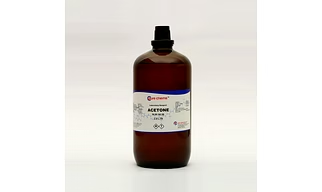
ACETONE
Acetone
Chemical Formula: C₃H₆O
Molecular Weight: 58.08 g/mol
CAS Number: 67-64-1
Description:
Acetone is a colorless, volatile, flammable liquid with a characteristic odor. It is one of the simplest ketones and is widely used as a solvent in various industrial and household applications. Acetone is miscible with water and serves as an important solvent in the manufacturing of plastics, synthetic fibers, and other chemicals.
Applications:
Solvent: Used in the production of plastics, fibers, drugs, and other chemicals. It is effective in thinning and removing paints, varnishes, and adhesives.
Cleaning Agent: Commonly used in laboratories for cleaning purposes.
Nail Polish Remover: Main ingredient in many nail polish removers.
Pharmaceuticals: Used in the synthesis of various pharmaceuticals.
Cosmetics: Used in some cosmetic products for its solvent properties.
Physical and Chemical Properties:
Boiling Point: 56°C (133°F)
Melting Point: -94.7°C (-138.5°F)
Density: 0.791 g/cm³ at 20°C
Vapor Pressure: 30.7 kPa at 20°C
Flash Point: -20°C (-4°F)
Autoignition Temperature: 465°C (869°F)
Solubility: Miscible with water, ethanol, ether, and most organic solvents
Safety Information:
Hazard Statements: Highly flammable liquid and vapor. Causes serious eye irritation. May cause drowsiness or dizziness.
Precautionary Measures: Keep away from heat, sparks, open flames, and hot surfaces. Use explosion-proof electrical/ventilating/lighting equipment. Wear protective gloves/eye protection/face protection.
First Aid Measures: In case of contact with eyes, rinse immediately with plenty of water and seek medical advice. If inhaled, remove to fresh air and keep at rest. If swallowed, do not induce vomiting and seek medical attention.
Packaging Details
Standard Packaging Options:
Small Bottles:
Volume: 500 ml, 1 L
Material: High-density polyethylene (HDPE) bottles or glass bottles
Cap Type: Screw cap with tamper-evident seal
Medium Containers:
Volume: 5 L, 10 L
Material: HDPE jerry cans
Cap Type: Screw cap with tamper-evident seal
Drums:
Volume: 20 L, 25 L, 50 L, 100 L
Material: Metal or plastic drums
Cap Type: Bung hole with screw cap and optional tamper-evident seal
IBC Totes:
Volume: 1000 L
Material: Intermediate bulk containers (IBC) made of high-density polyethylene with a metal cage
Cap Type: Large screw cap with a vent and tamper-evident seal
Storage and Handling:
Store away from heat, sparks, open flames, and incompatible substances in a cool, dry, well-ventilated area.
Containers should be tightly sealed when not in use to prevent leakage and evaporation.
Use proper personal protective equipment (PPE) such as gloves, goggles, and lab coats when handling acetone.
Price on Request
25 Metric Tons
MOQ
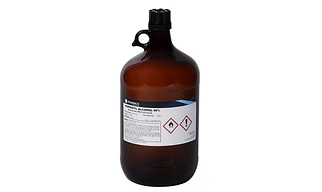
ISOPROPYL ALCOHOL (IPA)
Isopropyl Alcohol (IPA)
Description:
Isopropyl Alcohol, commonly known as IPA, is a colorless, flammable liquid with a strong odor. It is one of the most widely used solvents in both industrial and household applications. IPA is miscible in water, ethanol, ether, and chloroform, making it a versatile chemical for various uses.
Chemical Formula: C₃H₈O
Uses:
Cleaning Agent: IPA is extensively used as a cleaning agent in households and industries. It effectively cleans surfaces, electronics, and medical equipment due to its ability to dissolve a wide range of non-polar compounds.
Disinfectant: Its antimicrobial properties make it an essential component in hand sanitizers, disinfectants, and antiseptics.
Solvent: Used in the pharmaceutical industry, personal care products, and cosmetics to dissolve other substances.
Intermediate: IPA serves as an intermediate in the synthesis of other chemicals.
Packaging Details:
Small Bottles: Available in 500 ml, 1 L, and 2 L bottles made of high-density polyethylene (HDPE) with child-resistant caps to ensure safety.
Medium Containers: Supplied in 5 L and 20 L HDPE jerry cans, which are convenient for medium-scale use in laboratories and industries.
Large Drums: Available in 200 L steel or plastic drums for bulk use, suitable for large industrial applications.
IBC Totes: For large-scale industrial usage, IPA can be supplied in Intermediate Bulk Containers (IBCs) of 1,000 L capacity, made from durable plastic with a protective metal cage.
Safety Information:
Hazards: Highly flammable liquid and vapor. Can cause eye irritation and may cause drowsiness or dizziness if inhaled.
Storage: Store in a cool, well-ventilated area away from heat, sparks, open flames, and hot surfaces. Keep container tightly closed when not in use.
Handling: Use protective equipment such as gloves and goggles when handling IPA. Ensure good ventilation in the working area.
Regulatory Information:
CAS Number: 67-63-0
EINECS Number: 200-661-7
UN Number: 1219
Price on Request
25 Metric Tons
MOQ
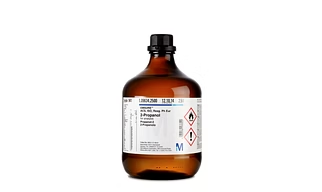
METHYLENE DICHLORIDE (MDC)
Methylene Dichloride (MDC)
Chemical Name: Methylene Dichloride
CAS Number: 75-09-2
Chemical Formula: CH₂Cl₂
Other Names: Dichloromethane, DCM
Description: Methylene Dichloride, also known as dichloromethane or DCM, is a clear, colorless, and volatile liquid with a mildly sweet aroma. It is a versatile solvent used in various industrial and commercial applications due to its excellent solvency properties and ability to dissolve a wide range of organic compounds.
Applications:
Paint Removers and Strippers: Used to dissolve paints, varnishes, and coatings.
Degreasing Agent: Employed in metal cleaning and degreasing operations.
Pharmaceuticals: Utilized in the extraction and purification of active ingredients.
Chemical Manufacturing: Serves as a reaction medium and intermediate.
Adhesives: Incorporated into formulations to enhance application properties.
Aerosols: Acts as a propellant in aerosol products.
Safety Information:
Hazards: Methylene Dichloride is considered hazardous and should be handled with care. It is harmful if inhaled and can cause respiratory and central nervous system depression. It may also cause skin and eye irritation.
Precautions: Use in well-ventilated areas, wear protective clothing, gloves, and eye protection. Avoid prolonged or repeated exposure.
First Aid: In case of inhalation, move to fresh air and seek medical attention if symptoms persist. In case of skin or eye contact, rinse immediately with plenty of water.
Packaging Details:
Methylene Dichloride is available in various packaging options to meet the needs of different industries. Common packaging formats include:
Small Containers: 1-liter and 5-liter HDPE (High-Density Polyethylene) bottles for laboratory and small-scale use.
Drums: 200-litre steel drums suitable for larger industrial applications.
ISO Tanks: Available for bulk quantities, typically ranging from 20,000 to 24,000 liters for high-volume industrial uses.
Storage and Handling:
Storage: Store in a cool, dry, and well-ventilated area away from heat sources, sparks, and open flames. Keep the containers tightly closed when not in use.
Handling: Ensure proper ventilation during use and follow all recommended safety protocols. Use appropriate tools and equipment to minimize exposure.
Regulatory Information:
Transport Information: Classified as a hazardous material. Follow all local and international regulations for the transportation of dangerous goods.
Environmental Impact: Ensure proper disposal methods are followed as per local regulations to prevent environmental contamination.
Price on Request
25 Metric Tons
MOQ
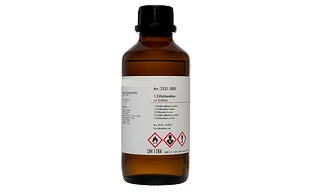
ETHYLENE DICHLORIDE (EDC)
Ethylene Dichloride (EDC)
Chemical Name: Ethylene Dichloride (EDC)
Chemical Formula: C₂H₄Cl₂
CAS Number: 107-06-2
Synonyms: 1,2-Dichloroethane, EDC
Description:
Ethylene Dichloride (EDC) is a colorless liquid with a sweet odor. It is a chlorinated hydrocarbon commonly used as an intermediate in the production of vinyl chloride monomer (VCM), which is the precursor to polyvinyl chloride (PVC). EDC is also used as a solvent and in various other chemical manufacturing processes.
Physical Properties:
Molecular Weight: 98.96 g/mol
Boiling Point: 83.5°C
Melting Point: -35.7°C
Density: 1.253 g/cm³ at 20°C
Vapour Pressure: 64 mmHg at 25°C
Solubility: Slightly soluble in water (8.69 g/L at 20°C), miscible with most organic solvents
Applications:
PVC Production: Majorly used as a feedstock in the manufacture of vinyl chloride monomer (VCM), which is polymerized to produce polyvinyl chloride (PVC).
Solvent: Utilized in the pharmaceutical industry, for degreasing, and in the extraction of oils and fats.
Intermediate: Employed in the synthesis of various organic compounds including chlorinated solvents and other chemical intermediates.
Safety and Handling:
Hazards: Highly flammable, toxic, and potentially carcinogenic. Exposure can cause dizziness, nausea, and central nervous system effects.
Handling: Use in a well-ventilated area with proper protective equipment, including gloves and eye protection. Avoid inhalation and contact with skin.
Storage: Store in a cool, dry, well-ventilated area away from sources of ignition and strong oxidizing agents.
Packaging Details:
Ethylene Dichloride (EDC) is typically packaged in various forms to meet industrial requirements, including:
Drums:
Capacity: 200 liters (53 gallons)
Material: Usually steel drums to ensure chemical stability and safety during transport and storage.
Features: Tight-sealing lids to prevent leakage and exposure to air.
IBC Totes:
Capacity: 1,000 liters (264 gallons)
Material: High-density polyethylene (HDPE) with a metal cage for support.
Features: Equipped with valves for easy dispensing and handling.
Tankers:
Capacity: Varies, typically between 20,000 to 30,000 liters.
Material: Stainless steel or lined tankers to prevent corrosion and contamination.
Features: Designed for bulk transportation, equipped with safety measures to handle the chemical’s properties.
Small Containers:
Capacity: Available in 5 liters, 20 liters, and 50 liters.
Material: HDPE or metal containers.
Features: Suitable for smaller-scale industrial or laboratory use, easy to handle and store.
Price on Request
25 Metric Tons
MOQ
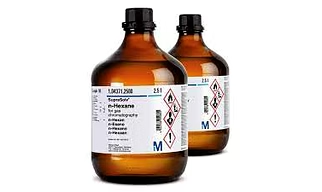
DIMETHYL FORMIDE (DMF)
Dimethylformamide (DMF)
Description:
Dimethylformamide (DMF) is a colorless, hygroscopic liquid with a faint amine odor. It is a versatile organic solvent widely used in various industrial applications due to its high solvency power. DMF is miscible with water and most organic solvents, making it an essential chemical in numerous processes.
Chemical Properties:
Chemical Formula: C₃H₇NO
Molecular Weight: 73.09 g/mol
Boiling Point: 153 °C (307.4 °F)
Melting Point: -61 °C (-77.8 °F)
Density: 0.944 g/cm³
Flash Point: 58 °C (136.4 °F)
Solubility: Miscible with water and most organic solvents
Uses:
Pharmaceuticals: Used as a solvent in the synthesis of pharmaceutical compounds.
Textiles: Employed in the production of acrylic fibers and for dyeing and printing fabrics.
Polymers and Plastics: Solvent for resins and plastics, aiding in the production of synthetic leather, adhesives, and surface coatings.
Chemical Reactions: Acts as a reaction medium in various chemical reactions due to its excellent solvent properties.
Packaging:
Dimethylformamide (DMF) is typically packaged in the following ways to ensure safe storage and transportation:
Drums: 200-liter (53-gallon) steel or plastic drums
IBC Totes: 1,000-liter (264-gallon) Intermediate Bulk Containers (IBCs)
Smaller Containers: Available in 25-liter (6.6-gallon) jerry cans or smaller bottles for laboratory use
Safety and Handling:
Hazards: DMF is toxic if inhaled, ingested, or absorbed through the skin. It can cause skin and eye irritation and may have long-term health effects with prolonged exposure.
Precautions: Use personal protective equipment (PPE) such as gloves, goggles, and protective clothing. Ensure proper ventilation in the working area.
Storage: Store in a cool, dry place, away from sources of ignition and incompatible materials. Keep containers tightly closed when not in use.
Price on Request
25 Unit
MOQ

 GL Trustmark