
Our Products
Latest
Name (A-Z)
Name (Z-A)
Showing 1-10 of 10 products
Motor parts
pls share your details on mention id
dharagariexim @ gmail .com
$ 11.34
/ Numbers
Price Range
1 Numbers
MOQ
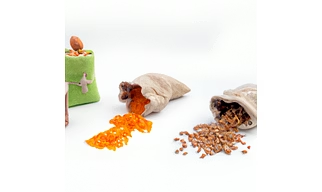
Basmati Rice
Basmati rice is a long-grain aromatic rice known for its distinct fragrance and fluffy texture. It is widely used in various cuisines, particularly in Indian and Middle Eastern dishes, and is favored for its ability to remain separate and non-sticky after cooking. Basmati rice is also valued for its nutritional benefits, offering a good source of carbohydrates and essential nutrients. Its unique characteristics have made it a staple in many households and a preferred choice for a variety of rice-based dishes.
Price on Request
1 KG
MOQ
Non-Basmati Rice
Non-Basmati rice refers to various rice varieties that differ from Basmati in terms of size, shape, and texture. Widely cultivated across India, Non-Basmati rice is a staple in many households due to its versatility and affordability. It is suitable for a range of dishes, including steamed rice, fried rice, and desserts. Rich in carbohydrates and essential nutrients, Non-Basmati rice contributes to a balanced diet. Its adaptability to different cooking methods and ability to absorb flavors make it a popular choice for diverse culinary applications.
Price on Request
1 KG
MOQ

Broken Rice
Broken rice comprises fractured rice grains that occur during the milling process. These grains maintain the same nutritional value as whole grains and are often more affordable. Broken rice is used in various culinary applications, including porridges, rice flour production, and as a base for fermented beverages. It is also utilized in animal feed and brewing industries. The smaller grain size allows for quicker cooking times and a softer texture, making it suitable for dishes requiring a creamy consistency. Broken rice is valued for its versatility and cost-effectiveness, making it accessible to a wide range of consumers.
Price on Request
1 KG
MOQ
Puffed Rice
Puffed rice is made by heating rice grains under high pressure, causing them to expand and become light and crispy. It is commonly used in breakfast cereals, snacks, and street foods. Puffed rice is a popular ingredient in traditional dishes like bhel puri and murmura chivda and is also consumed as a standalone snack. It is low in calories and provides a light, airy texture, making it a favored choice for those seeking a low-fat snack option. Puffed rice is also used in the production of rice cakes and other snack foods, offering versatility in culinary applications.
Price on Request
1 KG
MOQ
Flattened Rice (Poha)
Flattened rice, or poha, is produced by parboiling, rolling, flattening, and drying rice to create thin, light flakes. It is a popular ingredient in Indian cuisine, especially for breakfast dishes, due to its quick cooking time and convenience. Poha is often seasoned with spices, vegetables, and sometimes peanuts to create a flavorful and nutritious meal. It provides carbohydrates and essential nutrients, contributing to a balanced diet. Poha's light texture and ability to absorb flavors make it a versatile ingredient in various culinary applications.
Price on Request
1 KG
MOQ
Rice Flour
Rice flour is a fine powder made by grinding raw rice and is a staple ingredient in many Asian cuisines. It is used in a variety of dishes, including noodles, pastries, and desserts. Naturally gluten-free, rice flour is a popular alternative for those with gluten sensitivities or celiac disease. It is also used as a thickening agent in soups and sauces due to its ability to provide a smooth texture. Rice flour's neutral flavor allows it to blend seamlessly into both sweet and savory recipes, making it a versatile and valuable ingredient in many culinary traditions.
Price on Request
1 KG
MOQ
Rice Bran
Rice bran is the nutrient-rich outer layer of the rice grain removed during milling. It is high in dietary fiber, essential fatty acids, and antioxidants, making it a valuable byproduct. Rice bran is used to produce rice bran oil, known for its health benefits and high smoke point, suitable for cooking and frying. It is also utilized in animal feed and as a dietary supplement due to its nutritional content. The potential health benefits and versatility of rice bran have led to its incorporation into various food products and health supplements.
Price on Request
1 KG
MOQ
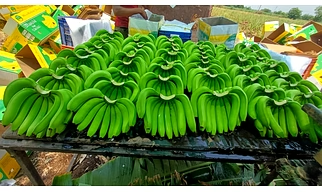
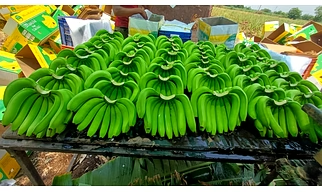
BANANA
Fresh and organic bananas sourced directly from local Indian farms. Enjoy the sweet taste and health benefits of these high-quality bananas.
Features
Features
- Locally sourced from Indian farms
- Fresh and organic
- Sweet and delicious flavor
- High-quality
- Packed with essential nutrients
Price on Request
1 Kilogram
MOQ
 GL Trustmark