
Our Products
Latest
Name (A-Z)
Name (Z-A)
Showing 1-6 of 6 products
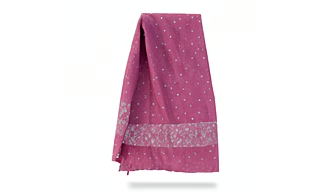
Cotton Fabrics
Cotton fabrics are textiles made from cotton plant fibers, valued for their softness, breathability, and versatility. Used in clothing, home furnishings, and industrial products, they are produced through processes like harvesting, ginning, spinning, and weaving. Available in various weaves and finishes, cotton fabrics can be dyed or printed in numerous colors and patterns. Their natural properties make them hypoallergenic and comfortable for all seasons. High-quality cotton fabrics feature long fibers and even weaving, ensuring durability. Cotton's adaptability and ease of care make it a staple in the textile industry.
Price on Request
1 unit
MOQ

Footwear
Footwear includes various types of shoes like formal shoes, casual shoes, sandals, and boots, designed to protect and comfort the feet while enabling mobility. Each type serves specific functions and occasions, from professional settings to casual outings. Constructed with components such as the upper, insole, outsole, and heel, footwear materials range from leather and canvas to synthetic options like rubber. High-quality footwear features durable materials and thoughtful design, ensuring comfort and longevity. Beyond practicality, footwear reflects fashion trends and personal style, evolving to meet consumer preferences.
Price on Request
1 unit
MOQ
Fashion Accessories
Fashion accessories are items like scarves, belts, hats, and jewelry that enhance and complement clothing. They serve both functional and aesthetic purposes, adding style and personality to outfits. Made from various materials such as leather, fabric, metals, and gemstones, these accessories cater to diverse tastes and occasions. High-quality accessories are durable and well-crafted, reflecting current fashion trends and cultural influences. They allow individuals to express their unique identities and adapt their wardrobes for different settings, from casual to formal events.
Price on Request
1 unit
MOQ
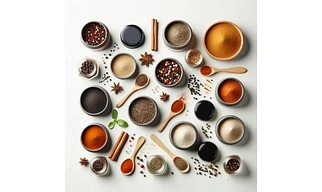
Spices
Spices are plant-derived substances like seeds, bark, roots, and fruits used to flavor, color, and preserve food. Examples include black pepper, turmeric, cumin, and cardamom, each offering unique flavors that enhance culinary experiences. Many spices also have medicinal properties; for instance, turmeric's curcumin is known for anti-inflammatory effects. Cultivation requires attention to climate and soil to ensure quality. High-quality spices are vibrant, aromatic, and pure. Globally, spices are significant in trade, with demand growing due to interest in international cuisines and health benefits.
Price on Request
1 unit
MOQ

Paper Products
Paper products include items like writing paper, notebooks, envelopes, and packaging materials, made from processed wood pulp or other fibers. They serve essential functions in education, communication, and packaging. Production involves pulping, bleaching, and pressing, with attention to weight and durability. Advances in recycling have increased the use of recycled paper, reducing environmental impact. High-quality paper products feature uniform texture and strength, ensuring functionality. Despite technological changes, paper products remain vital, adapting to sustainability efforts and evolving consumer and industry demands.
Price on Request
1 unit
MOQ
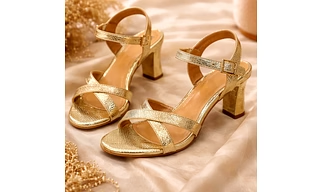
Ladies Footwear
Elevate your style with our exquisite Ladies Footwear, exuding elegance and comfort in every step.
Features
Features
- Crafted with high-quality materials for durability
- Stylish design to complement any outfit
- Comfortable fit for all-day wear
- Variety of sizes available for the perfect fit
- Ideal for adding a touch of sophistication to any ensemble
Price on Request
1 Pair
MOQ
 GL Trustmark