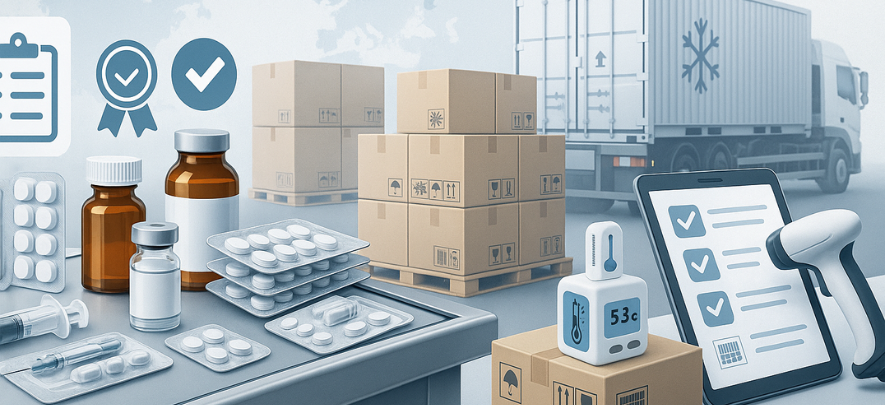



Pharmaceutical exports are one of the most closely regulated sectors in international trade. Unlike other products, pharma and healthcare supplies directly affect human health, making safety, quality, and compliance absolutely critical. For global buyers and procurement managers, understanding the regulatory framework is essential when sourcing pharmaceutical products from India or any other market.
Why Regulations Matter in Pharma Exports
Medicines and healthcare products cross borders every day. However, what is acceptable in one country may not be approved in another. Regulations ensure that exported products meet international safety, efficacy, and quality standards, protecting both patients and businesses. For buyers, sourcing from compliant suppliers reduces the risk of shipment delays, product recalls, or legal disputes.
Key International Standards to Know
-
Good Manufacturing Practices (GMP):
GMP is a globally recognised system that ensures medicines are consistently produced and controlled. It covers everything from raw materials to packaging. Many countries will only accept imports from GMP-certified manufacturers. -
World Health Organization (WHO) Certification:
WHO certification is often required for exporting medicines to developing countries. It assures that the product meets international safety and quality benchmarks. -
USFDA and EMA Approvals:
For exports to the United States or European Union, approval from the US Food & Drug Administration (USFDA) or the European Medicines Agency (EMA) is critical. These approvals are among the most stringent and highly valued in global trade. -
Pharmacopoeia Standards:
Products must meet the specifications of different pharmacopoeias such as the Indian Pharmacopoeia (IP), British Pharmacopoeia (BP), or United States Pharmacopeia (USP), depending on the destination market. -
Labeling and Documentation Requirements:
Each importing country has rules for packaging, labeling, and documentation. Missing details like dosage instructions, expiry dates, or country of origin can result in customs rejections.
Challenges in Meeting Regulatory Standards
-
Constantly changing regulations across markets
-
Cost of compliance and certifications
-
Lengthy approval timelines
-
Maintaining supply chain transparency
For buyers, working with suppliers who already comply with multiple international standards reduces these risks significantly.
Best Practices for Buyers and Procurement Managers
-
Verify certifications before finalising any supplier.
-
Check regulatory approvals for your target export market.
-
Request documentation such as GMP certificates, WHO prequalification, or USFDA approvals.
-
Prioritise traceability in the supply chain to ensure authenticity of raw materials.
-
Work with reputed suppliers who have a proven export history.
Final Thoughts
International regulations may seem complex, but they are designed to build trust and ensure patient safety worldwide. For buyers, sourcing pharmaceuticals from India can be a reliable option — provided suppliers follow global compliance standards. By partnering with certified manufacturers, you can reduce risks, ensure smooth deliveries, and build long-term trust with customers in global markets.
Looking to source pharmaceuticals and healthcare products from India? Explore verified suppliers on GlobalLinker.
Image credit: Generated by OpenAI’s DALL·E
Disclaimer: The views and opinions expressed in this article are those of the author and do not necessarily reflect the views, official policy or position of GlobalLinker.
Posted by
Supriya MathurMy endeavour is to help business owners digitise, network and grow easily. Towards this I help organise webinars, curate articles and answer queries via our help centre.
More Articlesby this author
Communications Manager
GlobalLinker / Mumbai, India
3°+ / 2318 Connections